

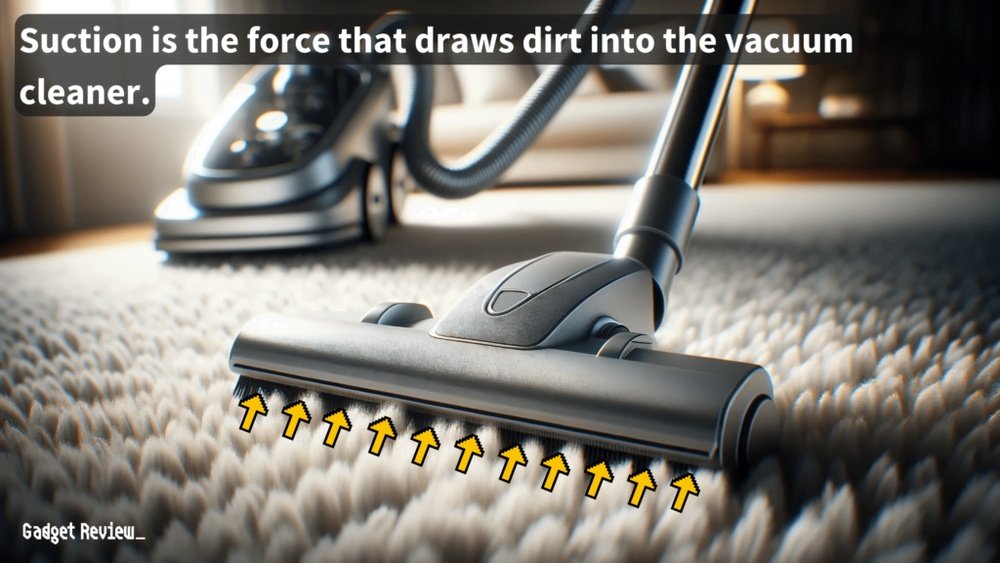
Have you ever wondered why your vacuum cleaner sometimes feels weak or leaves dirt behind? The secret often lies in something called airflow balance.
When the airflow inside your vacuum isn’t right, it can lose power and stop working efficiently. Understanding why vacuum cleaners need airflow balance can help you get the most out of your cleaning routine. Keep reading, and you’ll discover simple tips to improve your vacuum’s performance and keep your home spotless with less effort.
Credit: www.vetamac.com
Airflow Basics In Vacuum Cleaners
Airflow is the movement of air inside a vacuum cleaner. It helps to pick up dust and dirt from floors. The cleaner uses a motor to pull air through a small opening. This airflow carries debris into the vacuum bag or bin. Strong airflow means better cleaning power.
Air moves through many parts: the intake, the filter, and the exhaust. The intake is where dirt and air enter. The filter traps dust so it does not go back out. The exhaust releases clean air outside the vacuum.
Balanced airflow is very important. If airflow is too low, the vacuum cannot pick up dirt well. If airflow is too high, dust may clog the filter quickly. Good design keeps airflow steady and strong for best cleaning results.
Consequences Of Imbalanced Airflow
Reduced suction power makes the vacuum less effective. Dust and dirt stay on the floor. Cleaning takes longer and requires more effort.
Motor overheating risks rise when airflow is blocked. The motor works harder and gets too hot. This can cause damage and shorten the vacuum’s life.
Clogging and dust accumulation happen inside the vacuum. Dirt blocks the air path. This causes poor cleaning and may lead to bad smells.
Factors Affecting Airflow Balance
Filter condition greatly affects airflow. Dirty or clogged filters block air, lowering suction power. Proper filter placement ensures air passes freely through the vacuum. Misplaced filters cause air to leak or slow down.
The hose and nozzle design controls how air moves inside the vacuum. Narrow or bent hoses reduce airflow and suction. Nozzles with wide openings allow more air to flow, improving cleaning power.
Seal integrity is very important. Any leaks around seals make air escape, reducing suction. Tight seals keep air inside, maintaining strong vacuum pressure for better cleaning.

Credit: www.amazon.com
Techniques To Improve Airflow
Regular maintenance keeps vacuum airflow smooth. Clean filters often. Check hoses for blockages. Empty dust bags before full. These steps help maintain strong suction.
Upgrading parts can boost airflow. Use high-quality filters made for your vacuum. Replace old belts and brushes. New parts fit better and work well.
Use vacuum properly. Avoid vacuuming large, heavy debris. Move the vacuum slowly on carpets. Adjust height settings for different floors. Proper use keeps airflow steady and prevents damage.
Benefits Of Optimized Airflow
Optimized airflow helps the vacuum pick up more dirt and dust. It lets the machine clean deeply without missing spots. This means floors and carpets get cleaner faster.
Proper airflow also protects the vacuum’s motor. This reduces wear and tear, so the vacuum lasts longer. Parts stay cooler, preventing damage from overheating.
Better airflow uses less energy. The vacuum does not need extra power to work well. This saves electricity and lowers bills, making cleaning cheaper.

Credit: skyvac.com
Frequently Asked Questions
What Is Airflow Balance In Vacuum Cleaners?
Airflow balance means the right mix of suction power and air movement. It ensures effective dirt pickup and filter performance.
Why Does Airflow Balance Matter For Cleaning?
Proper airflow balance boosts dirt removal and prevents clogs. It helps maintain consistent suction and extends vacuum life.
How Does Airflow Affect Vacuum Cleaner Efficiency?
Balanced airflow optimizes suction force and debris flow. This reduces energy use and improves overall cleaning performance.
Can Poor Airflow Damage A Vacuum Cleaner?
Yes, unbalanced airflow can overheat motors and clog filters. This leads to reduced suction and costly repairs.
Conclusion
Balanced airflow keeps vacuum cleaners working at their best. It helps pick up dust and dirt more easily. Without proper airflow, the vacuum loses power and clogs quickly. Airflow balance also protects the motor from damage. Cleaning your vacuum and checking airflow saves time and money.
A well-maintained vacuum cleans better and lasts longer. Simple care makes a big difference in performance. Keep airflow steady for a cleaner home every day.
