
Are you tired of your vacuum cleaner losing suction and leaving dirt behind? You’re not alone.
Many people struggle with weak vacuum performance, and it often comes down to the design of the vacuum itself. But what if you could understand exactly what vacuum design features boost suction power? Knowing this can help you choose the right vacuum that works better and cleans deeper.
Keep reading to discover the key design elements that improve suction, so your cleaning becomes faster, easier, and more effective. Your home deserves nothing less.

Credit: www.ebay.com
Suction Basics
Suction happens when air pressure inside the vacuum is lower than outside. This difference in pressure pulls dirt and dust into the vacuum. A strong motor helps create this pressure difference. The vacuum’s design guides air smoothly through the machine. If air moves easily, suction stays strong.
Factors affecting suction include the motor power, air path design, and filter quality. A clogged filter blocks air and lowers suction. Narrow or bent air paths make it hard for air to flow. Dirt bags or dust containers that are full also reduce suction strength. Good vacuum design keeps air flow clear and steady.
Vacuum Motor Impact
Motor type affects suction power a lot. Brushless motors use less energy and last longer. They provide steady power and strong suction.
Traditional brushed motors are cheaper but wear out faster. They can lose suction over time.
| Motor Type | Power Usage | Durability | Suction Quality |
|---|---|---|---|
| Brushless | Low | High | Strong & steady |
| Brushed | Higher | Low | Weakens over time |
Motor placement affects suction too. Motors near the dust path keep suction strong. Motors far from the suction point lose power.
Proper motor placement means better airflow and less clogging. This helps keep suction consistent during cleaning.
Airflow Path Design
Streamlined air channels help the vacuum pull air smoothly. Narrow and straight paths reduce resistance. This lets the vacuum keep strong suction power. Curves and bends slow air down and lower suction.
Minimizing air leaks is very important. Air leaks make the vacuum lose power. Tight seals and good fittings stop air from escaping. Even small gaps can cause big suction loss. Quality materials and careful design keep air inside the vacuum.
Good airflow path design means air moves fast and steady. This helps the vacuum clean better. Less energy is wasted, and the motor works well for longer.
Filter Influence
Filter types affect how well a vacuum cleans. Common types include HEPA, foam, and cloth filters. HEPA filters trap very small dust and allergens. Foam filters catch larger dirt particles but let fine dust pass. Cloth filters work well for general dust but need frequent cleaning.
Filter efficiency depends on material and design. A good filter stops most dust without blocking airflow. Filters that clog easily reduce suction power. This makes cleaning harder and less effective.
Keeping filters clean is important. Clogged filters slow down the vacuum. Wash or replace filters regularly. Check the vacuum manual for cleaning steps. Clean filters help keep strong suction and better air quality.
Brushroll And Nozzle Role
Brushroll design affects how well a vacuum picks up dirt. A brushroll with stiff bristles can loosen dirt better from carpets. Soft bristles work well on hard floors without scratching. The size of the brushroll matters too. A wider brushroll covers more area, cleaning faster. Rotation speed also impacts suction. Faster spinning helps lift debris but uses more power.
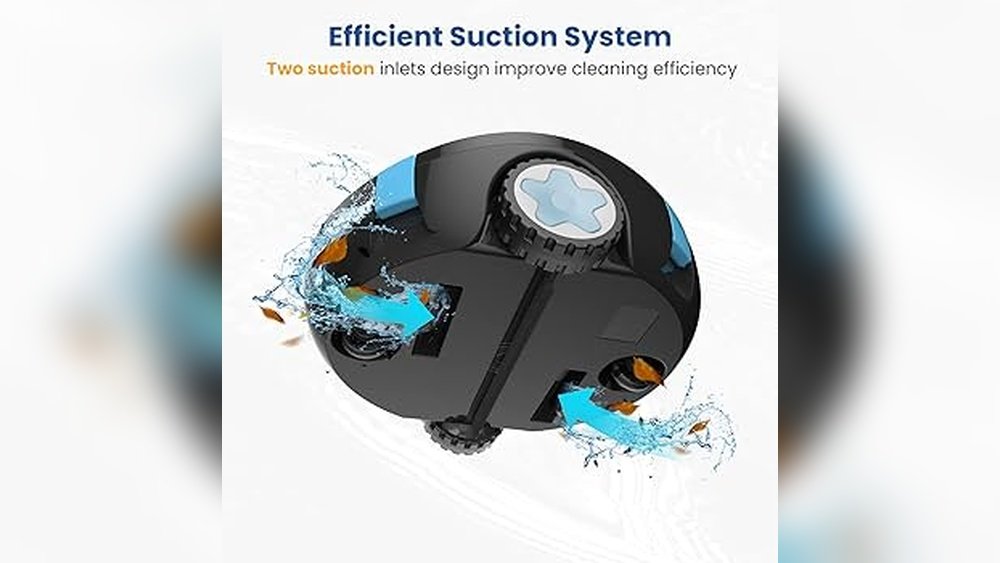
Nozzle shape and size control how air flows into the vacuum. A narrow nozzle can increase suction by focusing airflow. Wider nozzles cover larger areas but may lose some suction power. The angle of the nozzle affects how dirt moves. A flat nozzle slides under furniture easily. Some nozzles have edges designed to trap dust at corners.

Credit: www.amazon.com
Dustbin And Bag Design
Airflow depends a lot on dustbin and bag design. A tightly sealed dustbin stops dust from escaping. This keeps the air moving through the vacuum properly. Bags that fit well also help maintain strong suction.
Easy emptying features save time and effort. Bags with simple open-and-close designs reduce mess. Dustbins with one-click release make dumping dirt quick. These features keep the vacuum working at its best.
Sealing And Gasket Importance
Sealing and gaskets stop air from leaking out of the vacuum. Air leaks reduce suction power and make cleaning harder. Good seals keep the vacuum’s suction strong and steady.
Materials like silicone and rubber are often used for gaskets. These materials are soft and fit tightly. They help block any gaps where air could escape. This improves the vacuum’s overall performance.
Regular checks of seals and gaskets can keep the vacuum working well. Worn or damaged gaskets cause air leaks. Replacing them helps keep suction strong and cleaning easy.
Technological Enhancements
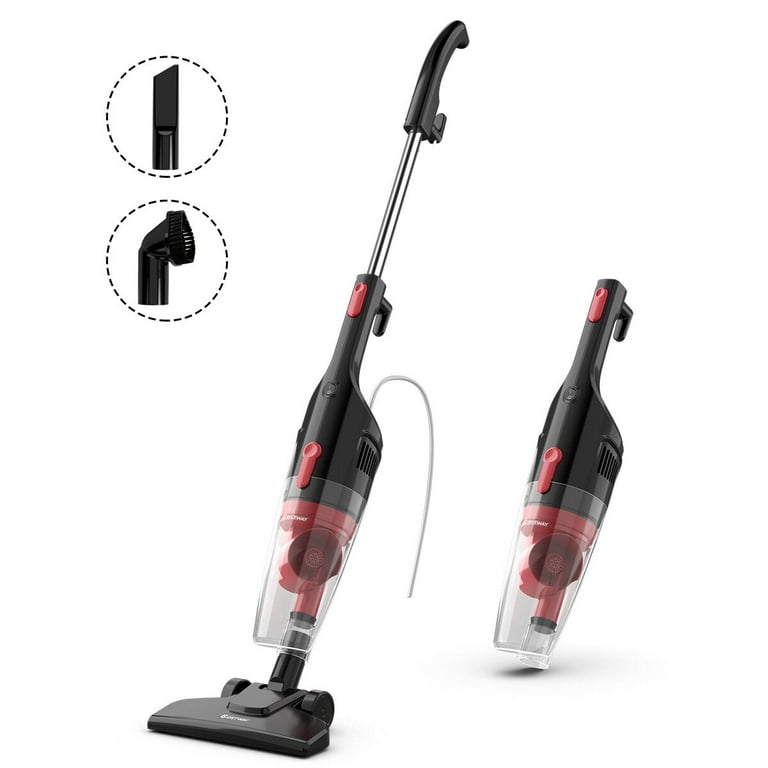
Cyclonic separation keeps dirt and dust away from the vacuum’s filter. This helps the vacuum keep strong suction longer. The vacuum spins air fast inside a cyclone chamber. Dust and dirt get thrown out by force. This stops the filter from clogging quickly.
Smart suction control changes the vacuum power automatically. It uses sensors to know the floor type or dirt amount. This saves battery and keeps good suction. For carpets, it uses more power. For hard floors, less power is enough.
Testing And Measuring Suction
Testing suction power helps find the best vacuum design. Common methods include airflow measurement, water lift test, and particle pick-up tests. Airflow shows how much air moves through the vacuum. Water lift measures the vacuum’s ability to lift water, showing suction strength. Particle pick-up tests check how well the vacuum cleans dirt and dust from surfaces.
Interpreting results means comparing numbers from these tests. Higher airflow and water lift values usually mean better suction. But a vacuum must also pick up dirt well. Sometimes high suction power does not clean well if design is poor. Look at all test results together to understand vacuum performance.
Credit: www.walmart.com
Frequently Asked Questions
What Vacuum Design Enhances Suction Power?
A sealed, airtight vacuum design boosts suction by preventing air leaks. Cyclonic separation also maintains consistent suction by reducing filter clogging.
How Does Cyclonic Vacuum Design Improve Suction?
Cyclonic design spins dust and debris away from filters. This reduces clogging, allowing stronger and longer-lasting suction.
Why Is Airflow Important In Vacuum Design?
Optimal airflow ensures dust and dirt move efficiently into the vacuum. Good airflow prevents suction loss and improves cleaning performance.
Does Brushroll Design Affect Vacuum Suction?
Yes, a well-designed brushroll agitates carpet fibers to lift dirt effectively. It also helps maintain steady suction during cleaning.
Conclusion
A strong vacuum design makes suction more powerful and efficient. Smooth airflow paths help air move easily through the vacuum. A well-sealed system keeps air from leaking out. Proper motor placement boosts suction strength. Filters that don’t block airflow keep the vacuum working well.
Small design changes can make a big difference in suction. Choosing the right vacuum means better cleaning every time. Good design saves time and effort. Simple features improve how well your vacuum cleans.
