

Are you looking for a faster and more efficient way to separate solids from liquids? Understanding what a vacuum filtration system is can change the way you handle filtration tasks.
This system uses suction to speed up the process, saving you time and effort. If you want to improve your results and make your work easier, keep reading. You’ll discover how this technology works and why it might be the perfect fit for your needs.
Don’t miss out on learning how to boost your filtration process!
Credit: www.rocker.com.tw
Basics Of Vacuum Filtration
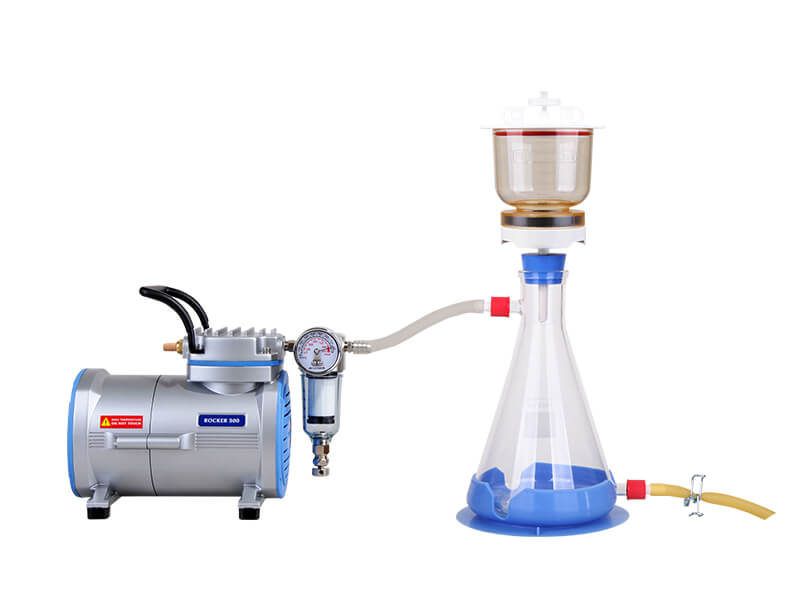
The principle of operation in a vacuum filtration system is simple. It uses low pressure to pull liquid through a filter. This separates solids from liquids quickly and clearly. A vacuum pump or water aspirator creates the suction needed. The pressure difference helps the liquid pass through the filter paper.
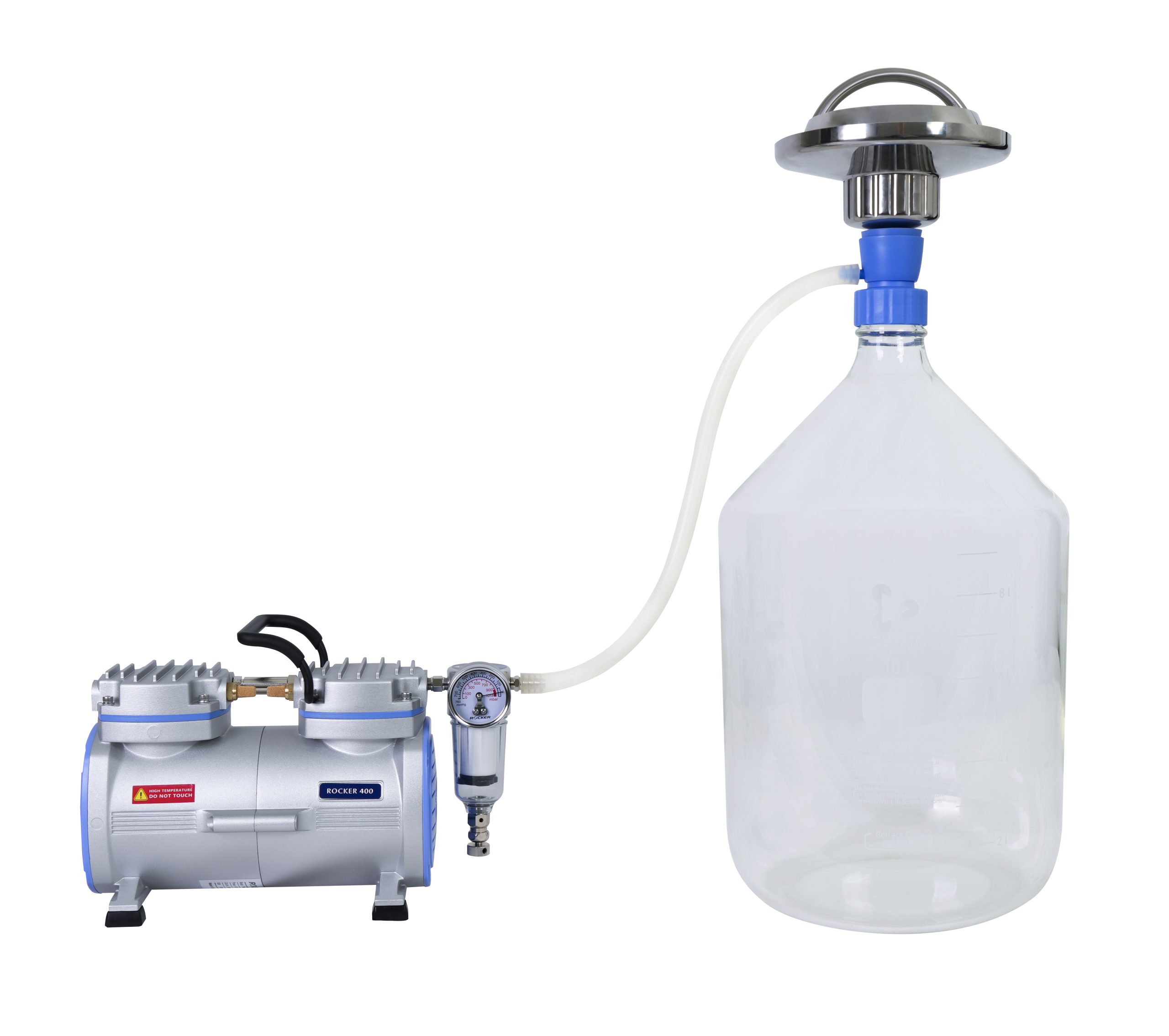
Key components include the filter flask, which collects filtered liquid. The Buchner funnel holds the filter paper and solid material. The vacuum pump creates suction. Tubing connects the flask to the pump. These parts work together to speed up filtration and improve clarity.
Types Of Vacuum Filtration Systems
The Buchner Funnel Setup is a simple vacuum filtration method. It uses a funnel with a flat bottom and a filter paper. The funnel sits on a flask connected to a vacuum pump. This setup quickly separates solids from liquids.
The Rotary Vacuum Filter is used in factories. It has a rotating drum covered with filter cloth. The drum dips into the liquid and the vacuum pulls the liquid through the cloth. Solids stay on the cloth and are scraped off.
The Membrane Vacuum Filter uses thin membranes instead of cloth. It can filter very small particles. This filter is good for clean and precise filtration in labs and industries.
Advantages Over Gravity Filtration
Vacuum filtration works much faster than gravity filtration. It uses suction to pull liquid through the filter. This makes the process quicker and more efficient. Many labs choose vacuum filtration to save time and effort.
The quality of separation is also better. Vacuum filtration removes more solid particles from the liquid. It leaves the filtered liquid clearer than gravity filtration does.
Handling fine particles becomes easier with vacuum filtration. The suction helps trap tiny particles that might pass through gravity filters. This leads to cleaner filtrate and less waste.
Applications Across Industries
Vacuum filtration systems help remove solids from liquids quickly. In pharmaceutical manufacturing, they separate medicines from unwanted particles. This keeps medicines pure and safe. The system also speeds up the process.
In food and beverage processing, these systems filter juices, oils, and other liquids. They remove bits that can spoil taste or texture. This helps keep products fresh and clear.
Chemical production uses vacuum filtration to separate chemicals and solids. It helps make chemicals cleaner and easier to handle. The system is useful for many types of chemical processes.
Maintenance And Troubleshooting
Clean the funnel and filter paper after each use to avoid clogging. Use warm water and mild soap for washing. Rinse thoroughly to remove all soap residues. Dry all parts completely before storing to prevent mold and rust.
Check rubber seals for cracks or wear. Replace seals if air leaks occur during operation. Inspect the vacuum hose for holes or blockages. Clear any debris found inside the hose to maintain suction power.
| Common Issue | Possible Cause | Fix |
|---|---|---|
| Low suction | Leaky seal or clogged filter | Replace seal, clean or change filter paper |
| Slow filtration | Dirty funnel or filter | Clean funnel and replace filter paper |
| Vacuum pump not working | Power issue or mechanical fault | Check power source, service pump if needed |

Credit: www.coleparmer.com
Choosing The Right System
Capacity is key for vacuum filtration systems. Small labs need less volume, while factories require large capacity. Choose a system that fits your daily needs to avoid delays or wasted energy.
Material compatibility affects system durability. Some materials handle acids or solvents better. Check if the system parts resist corrosion and match your liquid type. This extends the system’s life and keeps filters safe.
| Cost Factor | Details |
|---|---|
| Initial Price | Depends on system size and features |
| Maintenance | Regular parts replacement and cleaning |
| Energy Use | Higher capacity systems may use more power |
Credit: www.rocker.com.tw
Frequently Asked Questions
What Is A Vacuum Filtration System Used For?
A vacuum filtration system separates solids from liquids quickly. It’s commonly used in laboratories and industries to improve filtration speed and efficiency. It creates a vacuum that pulls liquid through a filter, leaving solids behind.
How Does Vacuum Filtration Work?
Vacuum filtration uses a vacuum pump to reduce pressure. This pressure difference forces liquid through the filter faster than gravity filtration. It speeds up solid-liquid separation and improves clarity in the filtered liquid.
What Are The Key Components Of A Vacuum Filtration System?
Key components include a vacuum pump, filter flask, Buchner funnel, and filter paper. These parts work together to create suction and trap solids while letting liquids pass through.
What Materials Can Be Filtered Using Vacuum Filtration?
Vacuum filtration filters various materials like chemical precipitates, biological samples, and industrial slurries. It effectively separates fine solids suspended in liquids in many applications.
Conclusion
A vacuum filtration system helps separate solids from liquids quickly and clearly. It uses suction to pull liquid through a filter. This method saves time and effort compared to regular filtration. Many labs and industries rely on it for clean results.
Understanding how it works can improve your process. Using this system makes filtering easier and more efficient. It is a useful tool in science and manufacturing. Simple, fast, and effective—vacuum filtration is worth knowing about.
