

Have you ever wondered why some vacuum cleaners seem to pick up dirt effortlessly while others struggle? The secret often lies in something called vacuum airflow resistance.
Understanding this simple concept can make a big difference in how well your vacuum performs—and how much effort you need to put in. You’ll discover exactly what vacuum airflow resistance is, why it matters to your cleaning routine, and how knowing about it can help you choose the right vacuum or improve the one you already have.
Keep reading, and you’ll never look at your vacuum the same way again.

Credit: www.researchgate.net
Vacuum Airflow Resistance Basics
Vacuum airflow resistance measures how hard air moves through a vacuum cleaner. It shows how much the vacuum slows down the air flow. This is important because it affects how well the vacuum cleans. The higher the resistance, the harder the vacuum has to work.
Air moves through the vacuum and faces obstacles like filters and dirt bags. These parts block some air. The more they block, the higher the resistance. This can make the vacuum less powerful and use more energy.
Keeping filters clean lowers airflow resistance. This helps the vacuum work better and last longer. Good airflow means the vacuum picks up more dust and dirt with less effort.
Factors Influencing Airflow Resistance
Material properties like density and texture affect airflow resistance. Dense materials slow down air more than light ones. Rough surfaces create more resistance than smooth ones. Porous materials allow air to pass easier, lowering resistance.
Design and structure also play a key role. Tight weaves or packed fibers block airflow. Larger gaps or open designs let air flow freely. The shape of the material can guide or block air movement.
Environmental conditions such as temperature and humidity change airflow resistance. Warm air moves differently than cold air. High humidity can make materials swell, increasing resistance. Dust and dirt build-up also block airflow over time.
Measurement Techniques
Vacuum airflow resistance is tested using different methods. The most common test measures how much air flows through a material under vacuum. This shows how easily air passes through.
One method uses a flow meter connected to a vacuum source. The meter records the air flow rate. Another method uses a pressure gauge to check pressure changes as air moves.
Test results show the resistance level. High resistance means less air passes through. Low resistance means air flows easily.
| Test Method | What It Measures | Result Meaning |
|---|---|---|
| Flow Meter | Air flow rate under vacuum | Higher flow means lower resistance |
| Pressure Gauge | Pressure drop across material | Greater drop means higher resistance |

Credit: www.amazon.com
Applications In Industry
Vacuum airflow resistance plays a key role in many industrial uses. In vacuum systems, it controls how air moves through pipes and chambers. This helps keep pressure stable and machines working well. In filtration and air purification, it affects how fast air passes through filters. Good control of airflow resistance means filters catch more dirt and particles. For HVAC systems, managing airflow resistance makes heating and cooling more efficient. It helps keep air fresh and rooms comfortable. Low resistance saves energy and lowers costs. High resistance can cause machines to work harder and wear out faster.
Improving Vacuum Airflow Efficiency
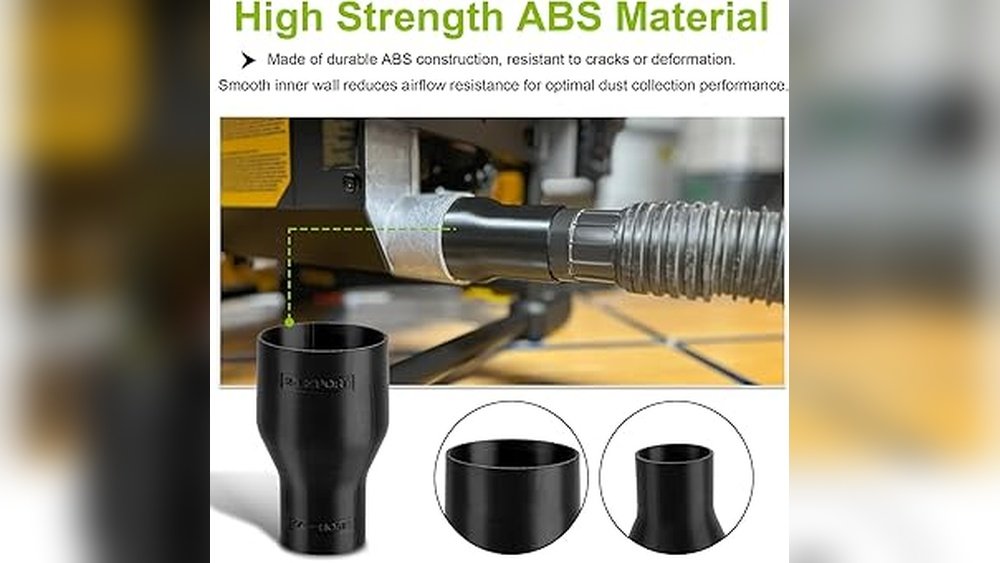
Material selection is key for better vacuum airflow. Choose materials with low resistance to let air move freely. Smooth surfaces help reduce air friction. Avoid rough or porous materials that block air.
System design tips focus on clear, wide paths. Use shorter tubes and fewer bends to keep air flowing fast. Seals and joints must be tight to stop leaks. Proper layout cuts down on airflow loss.
Maintenance practices keep the system working well. Clean filters regularly to prevent clogging. Check hoses and parts for damage or wear. Fix leaks quickly to maintain strong airflow. Routine care saves energy and improves performance.
Credit: ecomax-products.com
Frequently Asked Questions
What Is Vacuum Airflow Resistance?
Vacuum airflow resistance measures how much airflow is blocked in a vacuum system. It affects suction power and efficiency. Lower resistance means better airflow and stronger vacuum performance.
Why Does Vacuum Airflow Resistance Matter?
Airflow resistance impacts cleaning efficiency and motor strain. High resistance reduces suction, making vacuums less effective. Understanding resistance helps choose better vacuum filters and hoses.
How Is Vacuum Airflow Resistance Measured?
It is measured by the pressure drop across vacuum components. Usually, a manometer or pressure gauge records this drop during operation.
How To Reduce Vacuum Airflow Resistance?
Use clean, high-quality filters and avoid clogged hoses. Regular maintenance ensures smooth airflow and improved vacuum performance.
Conclusion
Vacuum airflow resistance affects how air moves in devices. It helps control suction power and efficiency. Knowing this term aids in choosing the right vacuum. It also helps with maintenance and better performance. Understanding airflow resistance makes cleaning easier and faster.
Keep this concept in mind when buying or using vacuums. It plays a key role in how well they work. Simple knowledge can improve your vacuum experience greatly.
