

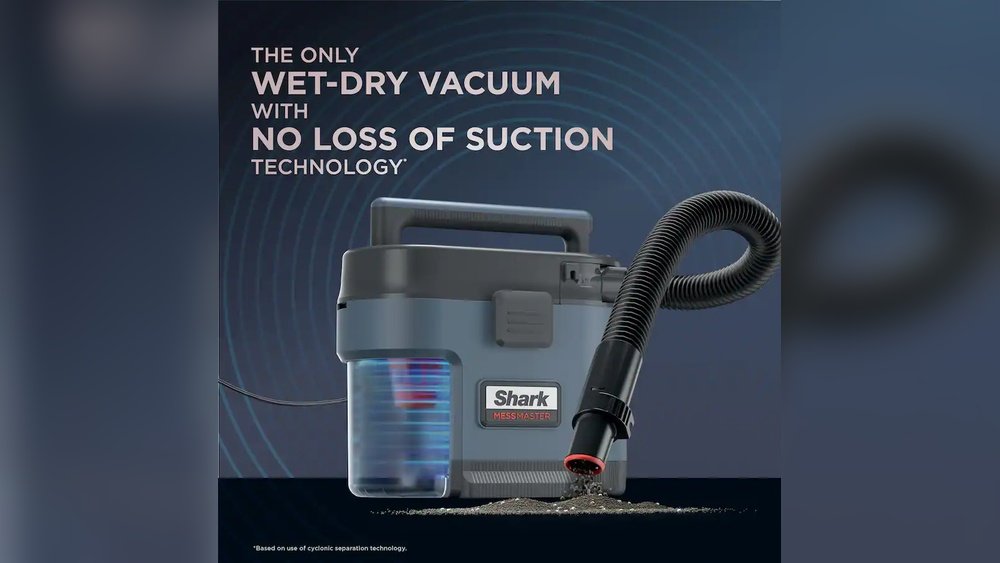
Have you ever wondered why your vacuum cleaner suddenly loses power or stops picking up dirt like it used to? That frustrating drop in suction can turn a quick cleaning task into a long, tiring chore.
Understanding what suction loss in a vacuum means and why it happens can save you time, effort, and even money. You’ll discover the main causes behind suction loss and simple ways to fix it. Keep reading to make sure your vacuum works at its best every time you use it.
Suction Loss Basics
Suction loss means a drop in the vacuum’s pulling power. This happens when air or gas leaks in, reducing the vacuum’s strength. Suction loss can cause machines to work poorly or stop working. It affects cleaning tools, pumps, and other devices using vacuum power.
Common signs of suction loss include:
- Weak or no suction feeling.
- Longer time to clean or pump.
- Unusual noises from the machine.
- Visible air leaks or cracks in hoses.
- Overheating of the vacuum motor.
Main Causes Of Suction Loss
Leaks in vacuum systems cause air to enter, reducing suction power. Small holes or cracks let air flow in, making the vacuum weak. Checking pipes and joints often helps find these leaks quickly.
Clogged filters and lines block airflow. Dirt and debris build up inside, stopping air from moving freely. Cleaning or replacing filters can restore suction strength.
Worn out seals and gaskets fail to keep air tight. Over time, these parts get old and cracked. Changing them keeps the vacuum system sealed and working well.
Incorrect equipment setup means parts do not fit or work as they should. Wrong connections or loose fittings cause suction loss. Always follow instructions to ensure proper setup.
Effects On Vacuum Performance
Suction loss lowers the vacuum’s ability to hold pressure. This causes the system to work harder, leading to reduced efficiency. Machines take more time and effort to complete tasks.
Energy use goes up as vacuum pumps run longer and stronger. This means increased energy consumption and higher costs. Wasting power is common with suction loss.
Damage to equipment can happen. Parts wear out faster due to extra strain. Repairs and replacements become frequent and expensive.
The impact on end results is clear. Products may be less precise or weaker. Quality drops, affecting customer satisfaction and trust.

Credit: ca-store.tineco.com
Detecting Suction Loss
Visual inspections help spot obvious signs of suction loss. Look for cracks, holes, or loose connections in the vacuum system. Dirt or debris can also block suction. Regular checks keep the system working well.
Pressure measurement tools show if suction is weaker than normal. These tools measure the vacuum pressure inside the system. A drop in pressure means suction loss. Using a gauge is an easy way to check this.
Audible indicators include strange noises like hissing or whistling sounds. These sounds often come from leaks or broken parts. Listening carefully can help find suction problems early.
Fixing Suction Loss Issues
Sealing leaks is key to fix suction loss. Check all pipes and joints for cracks or holes. Even small leaks lower vacuum power. Use tape or sealant to close leaks tightly.
Cleaning and replacing filters helps keep suction strong. Dirty filters block airflow. Clean reusable filters with water and dry them well. Replace disposable filters often to avoid clogs.
Regular maintenance keeps your vacuum working well. Check hoses, seals, and parts every week. Clear any dirt or debris inside. Tighten loose screws to stop air leaks.
| Component | Upgrade Benefit |
|---|---|
| Hose | Stronger material stops cracks and leaks |
| Filters | Better filters trap more dust, keep airflow clear |
| Seals | New seals prevent air loss around joints |

Credit: www.youtube.com
Preventing Future Suction Loss
Routine system checks help spot problems early. Check hoses, seals, and filters often. Clean or replace parts when dirty or worn. Proper equipment handling means avoiding rough use. Handle machines gently to keep seals tight and parts intact. Using quality parts ensures better fit and longer life. Cheap parts may cause leaks and reduce suction. Staff training and awareness teach workers to notice issues fast. Workers learn how to use machines correctly and care for them. This reduces wear and stops suction loss before it starts.

Credit: nxt.ridgid.com
Frequently Asked Questions
What Causes Suction Loss In Vacuum Systems?
Suction loss occurs due to leaks, blockages, or worn-out seals. It reduces vacuum efficiency and performance. Proper maintenance and inspection prevent suction loss, ensuring optimal vacuum operation.
How Does Suction Loss Affect Vacuum Performance?
Suction loss lowers vacuum pressure, causing slower or weaker suction. This reduces the system’s effectiveness and may increase energy consumption or wear on equipment.
How Can I Detect Suction Loss In My Vacuum?
Listen for hissing sounds, check for pressure drops, or inspect hoses and seals for damage. Regular monitoring helps identify and fix suction loss early.
What Are Common Signs Of Suction Loss?
Common signs include reduced suction power, longer cleaning times, and unusual noises. Detecting these early helps maintain vacuum efficiency and prolong equipment life.
Conclusion
Suction loss in vacuum systems can cause many problems. It reduces the machine’s efficiency and slows down work. Small leaks or blockages often cause suction loss. Regular checks help find and fix these issues fast. Keeping the vacuum system tight saves energy and money.
Understanding suction loss helps you maintain your equipment better. It ensures your vacuum works at its best every time. Don’t ignore signs of suction loss. Fixing it early avoids bigger troubles later. Stay alert and keep your vacuum system strong.
