
Have you ever wondered how a sealed vacuum system actually works? Whether you’re curious about the technology behind everyday appliances or looking to understand how it keeps things fresh and safe, this article is for you.
You’ll discover simple explanations that make complex ideas easy to grasp. By the end, you’ll know exactly what makes a sealed vacuum system so effective—and how it impacts your life in ways you might not expect. Keep reading, and unlock the secrets behind this powerful technology.
Sealed Vacuum System Basics
A sealed vacuum system uses a closed space to create low pressure. The core components include a vacuum pump, sealed chamber, and control valves. The pump removes air and gases from the chamber, lowering the pressure inside. Control valves help maintain this low pressure by stopping air from entering back.
Air is sucked out by the vacuum pump. This creates a vacuum or empty space inside the chamber. The sealed chamber holds this vacuum without leaks. This process helps in many uses like packaging or scientific experiments.
Types Of Sealed Vacuum Systems
Positive Displacement Systems work by trapping a fixed amount of air. Then, they push it out to create a vacuum. These systems are great for low to medium vacuum levels. They work well with gases and vapors. Common types include rotary vane, piston, and diaphragm pumps. They are reliable and provide steady vacuum pressure.
Momentum Transfer Systems move air using high-speed blades or jets. This action pushes air out quickly. They are good for creating very low pressures. These systems work best with clean, dry air. They include turbomolecular and diffusion pumps. They often need a backing pump like a positive displacement system.
Key Factors Affecting Efficiency
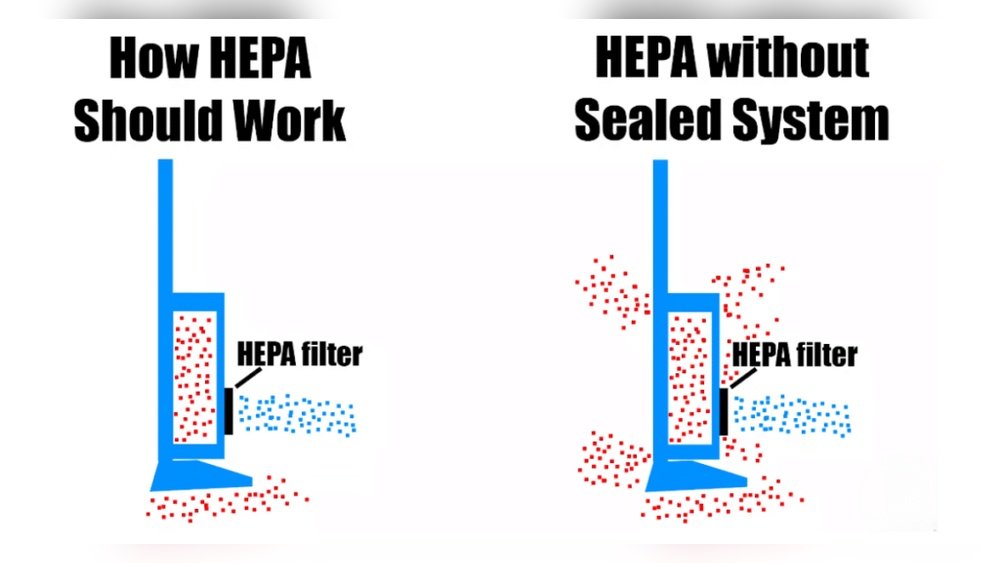
Leakage prevention is crucial for a sealed vacuum system. Tiny leaks reduce vacuum strength and waste energy. Using tight seals and regular checks helps keep leaks away. Good material selection ensures parts resist wear and tear. Materials like stainless steel and certain plastics work well. They stop air from entering and keep the system strong.
System design plays a big role in efficiency. Simple layouts with fewer joints lower leak chances. Proper valve placement helps control airflow smoothly. Designing for easy maintenance means quick repairs and less downtime. All these factors combine to keep the vacuum system working well and saving power.

Credit: www.ebay.com
Common Applications
Sealed vacuum systems are widely used in industrial manufacturing. They help move liquids and gases without leaks. This keeps machines safe and clean. Many factories use them to package food and electronics.
In medical equipment, these systems keep air and fluids controlled. They help in devices like vacuum pumps and surgical tools. Clean and sealed conditions prevent germs and keep patients safe.
Research laboratories use sealed vacuum systems to study chemicals and materials. They create a controlled space free from air and dust. This helps scientists get accurate results and protect samples.
Maintenance Tips For Optimal Performance
Regular inspection helps spot leaks and worn parts early. Check seals and hoses for cracks or damage. Tighten loose connections to stop air leaks.
Seal replacement keeps the vacuum system working well. Old seals lose their tight fit and cause power loss. Change seals as soon as signs of wear appear.
Cleaning procedures remove dirt and dust that block the system. Use a soft cloth and mild cleaner. Avoid harsh chemicals that can harm parts.
Troubleshooting Common Issues
Pressure loss often happens due to leaks in seals or pipes. Check all connections carefully. Tighten or replace any loose parts. Small holes or cracks cause the system to lose vacuum power.
Contamination like dust or oil can block valves or filters. Clean these parts regularly to keep air flow smooth. Dirty parts reduce the system’s work and can damage other components.
Component wear happens over time. Parts like pumps and valves may stop working well. Replace worn parts to keep the vacuum system strong and reliable. Regular checks help find worn components early.
Future Trends In Vacuum Technology
Advanced materials are making vacuum systems stronger and lighter. New coatings resist wear and tear better. These materials help systems work longer without breaking.
Automation integration allows vacuum systems to run with less human help. Machines can control pressure and flow automatically. This means fewer mistakes and faster work.
Energy efficiency improvements reduce power use in vacuum systems. New designs use less electricity but keep high performance. This saves money and helps the environment.

Credit: www.amazon.com

Credit: www.ebay.com
Frequently Asked Questions
What Is A Sealed Vacuum System?
A sealed vacuum system creates a controlled low-pressure environment. It prevents air or contaminants from entering, ensuring system integrity and efficiency. This is vital in various industrial and scientific applications for accurate results and equipment protection.
How Does A Sealed Vacuum System Maintain Pressure?
It uses airtight seals and vacuum pumps to remove air continuously. The system’s design prevents leaks, maintaining consistent low pressure. This stability is crucial for processes requiring precise vacuum levels.
What Are Common Uses Of Sealed Vacuum Systems?
They are used in manufacturing, electronics, medical devices, and research labs. Applications include vacuum packaging, semiconductor fabrication, and vacuum drying. These systems improve product quality and process reliability.
Why Is Vacuum Sealing Important In These Systems?
Vacuum sealing ensures no air or moisture contaminates the environment. It enhances system efficiency and protects sensitive components. This prevents oxidation, degradation, and maintains process accuracy.
Conclusion
A sealed vacuum system keeps air and gases out effectively. It helps in many industries by protecting products and improving processes. The system uses pumps and tight seals to create a vacuum space. This space prevents contamination and extends product life.
Understanding how it works can help you appreciate its value. Simple parts work together to maintain strong vacuum pressure. This technology supports safety, quality, and efficiency in many fields. Knowing this can help you see why it matters. A sealed vacuum system plays a key role in modern technology.
