
Have you ever wondered what makes a cyclonic vacuum so powerful at cleaning your home? Understanding how this technology works can help you get the most out of your vacuum and keep your space spotless.
You’ll discover the simple yet clever process behind cyclonic vacuums and why they’re different from regular ones. By the time you finish reading, you’ll know exactly how your vacuum traps dirt and dust efficiently, making your cleaning routine easier and more effective.
Ready to unlock the secret behind that strong suction? Let’s dive in!
Cyclonic Vacuum Basics
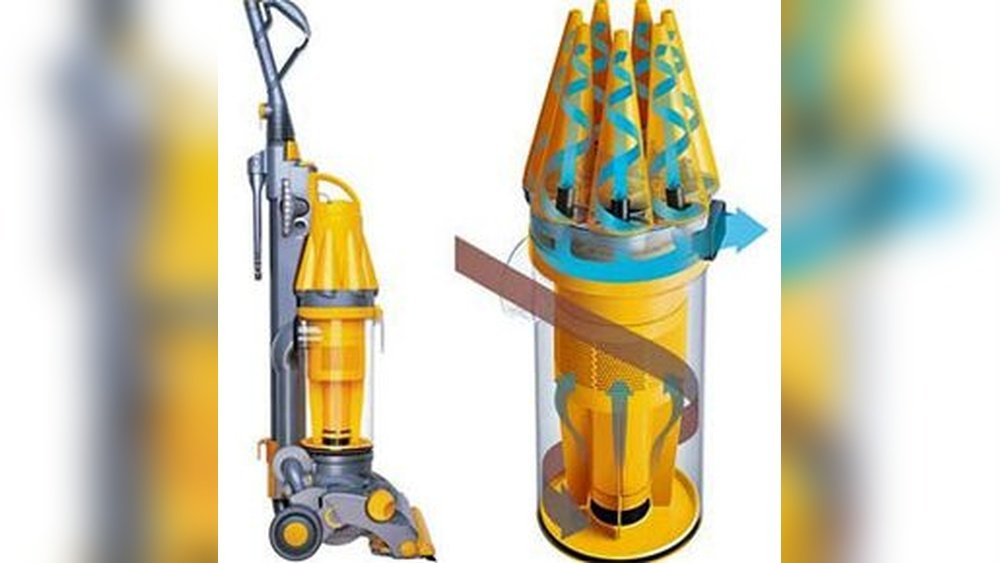
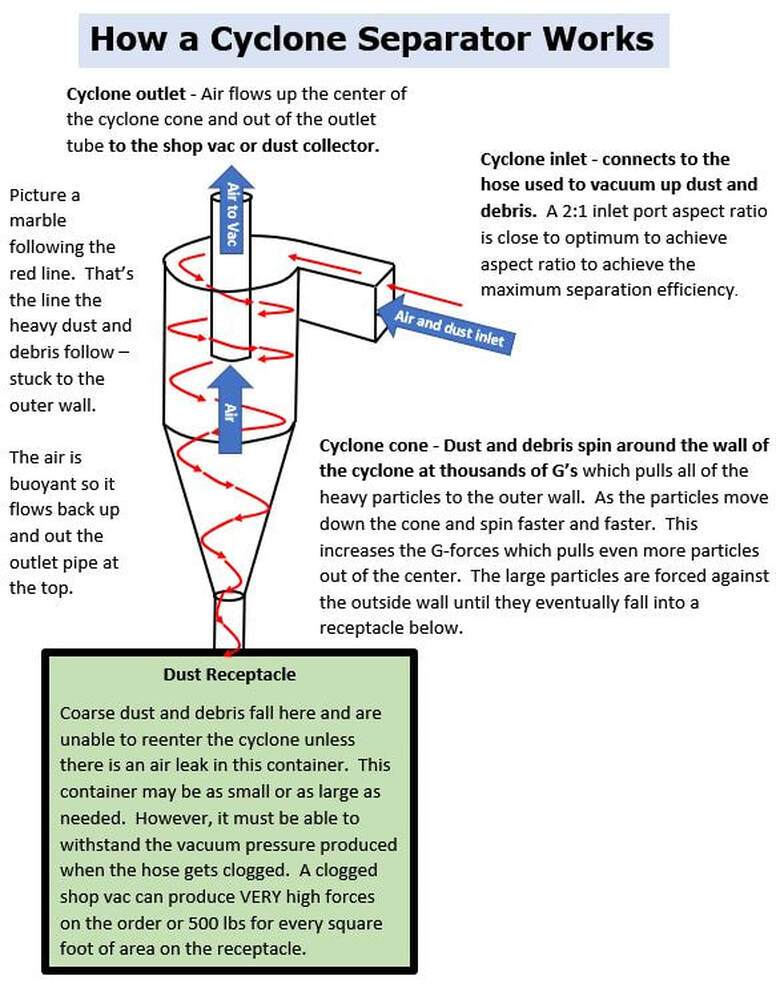
Cyclonic vacuum cleaners use a spinning airflow to separate dust and dirt. The air enters the vacuum and spins quickly inside a cone-shaped chamber. This strong spinning motion creates centrifugal force, pushing dust and debris to the outside walls.
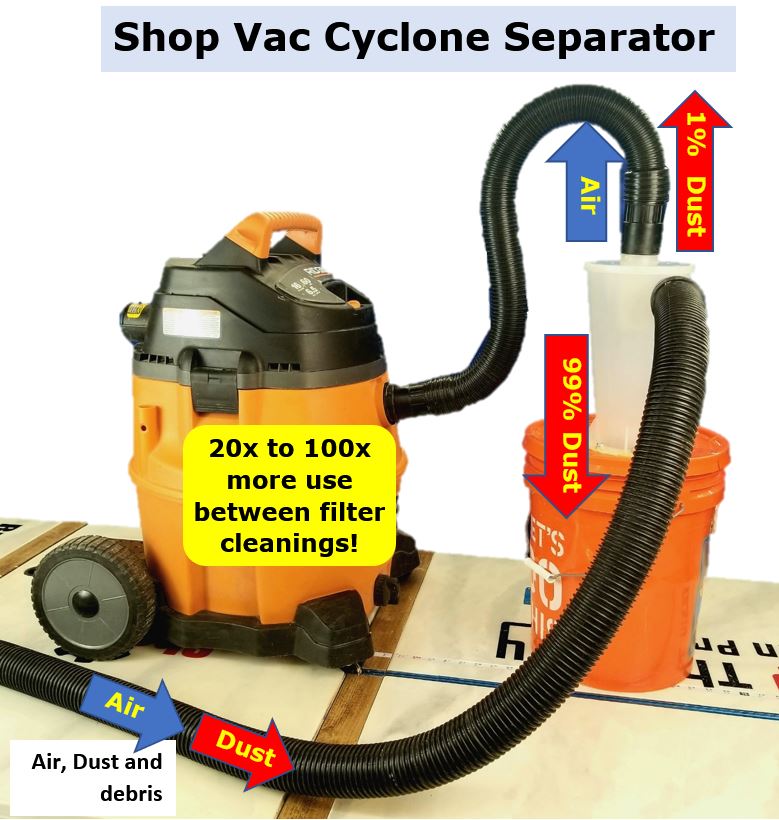
The separated dust falls into a container, while clean air moves through the vacuum’s filter. This process keeps the filter from clogging fast. The vacuum can keep strong suction without losing power because dust stays away from the filter.
The airflow moves in a circle inside the vacuum. This circular motion helps trap tiny particles. It also stops large dirt from blocking the vacuum. The cyclone system works without bags, so emptying the dust is easy and quick.
Key Components
The cyclone chamber spins air fast to separate dust and dirt. It uses centrifugal force to push heavy particles outward, away from the clean air.
The dust separator collects these particles in a bin or container. This stops the dust from reaching the filter and keeps the vacuum working well for a long time.
Filters catch tiny dust that the cyclone misses. They help clean the air before it leaves the vacuum. Some filters can be washed and used again.
How Cyclonic Action Cleans
Cyclonic vacuum cleaners use centrifugal force to clean air. Air with dust spins very fast inside a cone-shaped chamber. This spinning makes dust and debris move outward to the sides. The heavier dirt falls down into a bin. Lighter air moves up and out of the vacuum.
This process separates dust and debris from the air without using filters that clog quickly. Because dust is thrown out by force, the vacuum keeps strong suction for a long time. It also helps keep the vacuum cleaner from losing power as it fills up.
Credit: seboshop.co.uk
Benefits Over Traditional Vacs
Cyclonic vacuums keep suction strong even when the dustbin fills up. This is because they use a spinning airflow to separate dirt from air. Traditional vacuums often lose suction as their bags or filters get full.
Cleaning is easier since cyclonic vacuums usually have fewer filters to wash or replace. Dirt collects in a clear bin, so you can see when it needs emptying. No need for bags means less hassle and lower costs.
| Feature | Cyclonic Vacuum | Traditional Vacuum |
|---|---|---|
| Suction Power | Consistent, strong | Weakens as bag fills |
| Maintenance | Easy, fewer parts | More filters, bags to change |
| Dirt Collection | Clear bin, visible | Opaque bags |
Common Designs And Variations
Single-cyclone models use one main cyclone to spin air fast. This spinning moves dust and dirt to the sides. The heavy dirt falls into a bin below. The clean air moves up and out. These models are simple and cost less. But they can lose some suction when the bin fills.
Multi-cyclone systems have many small cyclones inside. Each cyclone spins air to catch tiny dust particles. This design keeps suction strong for longer. It also stops dust from clogging the filter. Multi-cyclone vacuums often clean air better. But they can be more expensive and complex to make.
| Feature | Single-Cyclone | Multi-Cyclone |
|---|---|---|
| Number of Cyclones | One | Several |
| Suction Strength | Can drop as bin fills | More consistent |
| Cost | Lower | Higher |
| Air Filtration | Basic | Better at catching dust |
Troubleshooting And Care
Preventing clogs keeps your vacuum working well. Check the hose and brush for stuck dirt. Clear any blockages quickly to avoid damage. Avoid vacuuming large objects that can cause clogs. Use the vacuum on dry surfaces only to stop wet debris build-up.
Cleaning filters helps maintain strong suction. Remove filters carefully and tap out dust over a trash bin. Wash washable filters with warm water only. Let filters dry fully before putting them back. Replace filters when they look worn or torn.
Future Trends In Cyclonic Technology
Smart features in cyclonic vacuums include sensors that detect dirt. These sensors adjust suction power automatically. Some models connect to smartphones for easy control. Voice command options are becoming common too. These smart tools help clean more effectively and save effort.
Energy efficiency improvements mean vacuums use less power. New motors consume less electricity but keep strong suction. Filters now last longer and clean better, reducing waste. Better design also means quieter operation. These changes help save money and protect the environment.
Credit: www.shophacks.com
Credit: www.shophacks.com
Frequently Asked Questions
How Does A Cyclonic Vacuum Separate Dust And Air?
A cyclonic vacuum uses centrifugal force to spin air rapidly. Dust particles move outward and fall into a collection bin. Clean air exits through filters, preventing clogging and maintaining suction power.
Why Is Cyclonic Vacuum Better Than Traditional Vacuums?
Cyclonic vacuums maintain strong suction by separating dirt from filters. This reduces filter clogging and improves cleaning efficiency. They are also easier to empty and require less maintenance.
Can Cyclonic Vacuum Handle Fine Dust Particles?
Yes, cyclonic vacuums efficiently capture fine dust by using centrifugal force. This prevents fine particles from reaching the filters, enhancing air quality and vacuum performance.
What Maintenance Does A Cyclonic Vacuum Need?
Regularly empty the dust bin to maintain suction. Clean or replace filters as recommended. This ensures optimal performance and prolongs the vacuum’s lifespan.
Conclusion
Cyclonic vacuums separate dirt using strong spinning air. This stops filters from clogging quickly. They keep suction power steady while cleaning. Dirt and dust stay in the container, making emptying easy. These vacuums work well on many floor types. Understanding how they work helps in choosing the right vacuum.
Clean floors feel fresh and look great. Simple technology, effective cleaning. A smart choice for daily home care.
