

Have you ever wondered how vacuum pressure is created and why it’s so important in everyday devices? Understanding how vacuum pressure is generated can open your eyes to the hidden science behind things you use daily, from your coffee machine to advanced medical equipment.
You’ll discover simple explanations that break down a complex process, helping you grasp the power and potential of vacuum pressure. Stick with me, and by the end, you’ll see how this invisible force plays a big role in your life—often without you even noticing.
Basics Of Vacuum Pressure
Vacuum pressure means pressure lower than the normal air pressure. It is the force created when air is taken out of a space. This creates a space with less air than outside.
Pressure is measured in different units. The most common are Pascals (Pa), millimeters of mercury (mmHg), and inches of mercury (inHg). Normal air pressure at sea level is about 101,325 Pa or 760 mmHg.
| Unit | Meaning | Example |
|---|---|---|
| Pascals (Pa) | Pressure force per square meter | 101,325 Pa = normal air pressure |
| Millimeters of mercury (mmHg) | Height of mercury column in mm | 760 mmHg = normal air pressure |
| Inches of mercury (inHg) | Height of mercury column in inches | 29.92 inHg = normal air pressure |
Physical Principles Behind Vacuum
Air molecules move in all directions and push against surfaces. This push is called pressure. The atmospheric pressure is the weight of air above us pressing down. It is about 101 kPa at sea level.
A vacuum happens when the pressure inside a space is less than outside. Air molecules leave that space, so fewer hits happen inside. The outside air pushes in to fill the empty space.
This difference in pressure creates a force. It helps suck things into a vacuum or keep objects pressed together. The stronger the vacuum, the fewer air molecules inside.
Methods To Create Vacuum Pressure
Mechanical pumps work by moving air out of a space to create vacuum pressure. They use parts like pistons or vanes to push air out. These pumps are common and easy to use. Vacuum chambers are sealed containers where air is removed. This helps create a low-pressure space inside. They are used in labs and industry for tests and experiments.
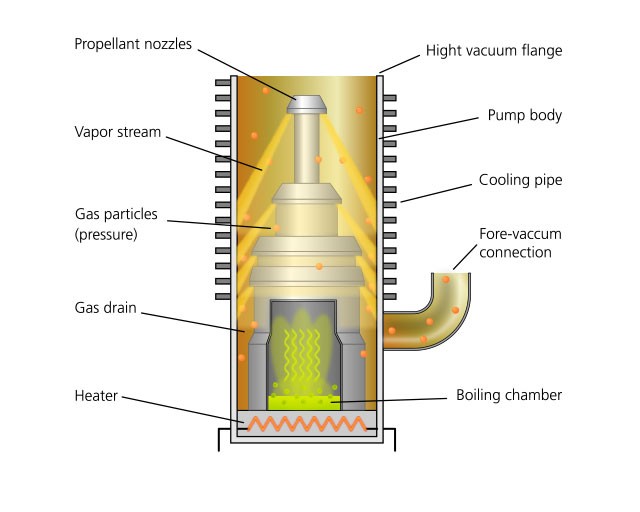
Diffusion pumps use hot oil vapor to push air molecules down and out. They create a very strong vacuum but need a mechanical pump to start. Turbomolecular pumps spin fast blades that hit air molecules and throw them out. They work well for very low pressures and clean environments.
Credit: www.researchgate.net
Factors Affecting Vacuum Generation
Seal integrity is key to good vacuum pressure. Leaks or cracks let air in, lowering vacuum power. A tight seal keeps air out and pressure strong.
Pump efficiency affects how well vacuum pressure is made. A strong pump moves air fast and keeps pressure steady. Worn or weak pumps reduce vacuum strength.
Environmental conditions also play a role. High humidity or dust can hurt pump work and seal tightness. Cleaner, dry air helps vacuum systems run better.
Applications Of Vacuum Pressure
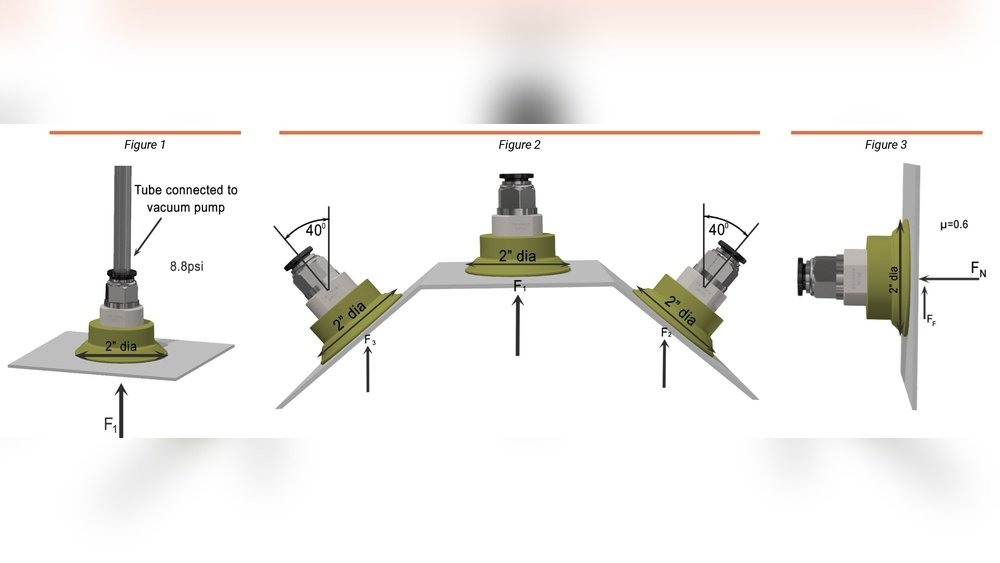
Vacuum pressure plays a big role in many industrial machines. It helps move liquids and gases without pumps. Factories use it to hold parts tightly during assembly. It also helps in packaging to keep food fresh longer.
In scientific research, vacuum pressure creates space without air. Scientists study tiny particles and chemical reactions in these spaces. This helps in making new medicines and materials.
Many everyday devices use vacuum pressure too. Vacuum cleaners suck up dirt using this pressure. Even some coffee makers use vacuum pressure to brew better coffee. It is also in some air conditioners to move air quietly.
Credit: www.ist.fraunhofer.de
Common Challenges In Vacuum Systems
Leaks allow air or gas to enter the vacuum system. This reduces vacuum pressure and causes inefficiency. Small leaks can be hard to find but cause big problems over time. Contamination from dust, oil, or moisture can also hurt vacuum performance. It can damage pumps and other parts.
Keeping the vacuum system clean is very important. Regular checks help catch leaks and contamination early. Using proper seals and filters can stop dirt and air from entering. Good maintenance helps keep pressure levels stable and the system working well for longer.
Future Trends In Vacuum Technology
New advanced materials help make vacuum systems stronger and lighter. These materials resist wear and heat better. This means machines last longer and work more safely.
Energy efficiency improvements are key for future vacuum technology. Machines use less power but keep strong vacuum pressure. This saves money and helps the environment.
Better designs reduce energy loss. Smart controls adjust power use based on need. This avoids wasting electricity during low work times.
Together, advanced materials and energy efficiency create reliable, cost-saving vacuum systems for many industries.

Credit: www.frontiersin.org
Frequently Asked Questions
What Is Vacuum Pressure Generation?
Vacuum pressure generation is the process of reducing air pressure inside a sealed space. It creates a partial vacuum by removing air molecules. This drop in pressure allows various industrial and scientific applications to function efficiently.
How Do Vacuum Pumps Create Vacuum Pressure?
Vacuum pumps remove air or gas molecules from a chamber. By lowering the internal pressure, they generate vacuum pressure. Different pump types use mechanical or physical principles to achieve this pressure difference.
Why Is Vacuum Pressure Important In Industries?
Vacuum pressure enables processes like packaging, material handling, and scientific experiments. It improves efficiency, prevents contamination, and supports controlled environments. Many manufacturing sectors rely on vacuum pressure for quality and precision.
What Factors Affect Vacuum Pressure Generation?
The vacuum level depends on pump type, chamber size, and leak tightness. Air temperature and humidity also influence vacuum efficiency. Proper system maintenance ensures consistent and reliable vacuum pressure generation.
Conclusion
Vacuum pressure forms by removing air or gas from a space. Pumps and other devices push air out to create low pressure. This low pressure helps in many industries and daily tools. Understanding how vacuum pressure works can improve its use.
It shows the power of air movement and pressure difference. Simple but effective. Keep these ideas in mind when working with vacuum systems.
