
Keeping your home clean and fresh can feel like a big job, especially when it comes to vacuuming. But what if you could make vacuuming easier, faster, and more effective every time?
In this guide, you’ll learn exactly how to vacuum your house step by step. Whether you’re a beginner or just want to improve your technique, these simple tips will help you get the best results with less effort. Ready to transform your cleaning routine and enjoy a spotless home?
Let’s dive in!
Choosing The Right Vacuum
There are many types of vacuums to choose from. Upright vacuums are good for large carpet areas. Canister vacuums work well on hard floors and stairs. Stick vacuums are light and easy to carry. Robot vacuums clean by themselves but may miss corners.
Important features to consider include suction power, weight, and noise level. A vacuum with strong suction cleans better. Lightweight models are easier to carry and use. Low noise is better for quiet homes. Also, check if the vacuum has good filters to trap dust.
| Budget | Brand Options |
|---|---|
| Low (Under $100) | Basic models, fewer features, good for small jobs |
| Medium ($100 – $300) | Better suction, more tools, suitable for most homes |
| High (Above $300) | Advanced features, strong power, lasts longer |

Credit: www.wikihow.com
Preparing Your Space
Start by clearing clutter from floors and furniture. This makes vacuuming easier and more effective. Put away toys, clothes, and small items to avoid damage or blockages.
Check the vacuum bags and filters. Empty or replace bags if full. Clean or change filters to keep suction strong. A clean vacuum works better and lasts longer.
Ensure there is proper lighting in the room. Good light helps spot dirt and dust. Use lamps or open curtains to brighten dark corners and under furniture.
Vacuuming Techniques
Start vacuuming from the farthest corner of the room. Move slowly in straight lines to cover the whole floor. Use overlapping strokes to avoid missing spots. This pattern helps clean every part efficiently.
Adjust vacuum settings based on floor type. Use low suction on delicate rugs. High suction works best on hard floors and carpets. Check the vacuum’s height setting to avoid damage.
Edges and corners often collect dust. Use the vacuum’s edge tool for these spots. Move the tool gently along walls and tight spaces. This clears dirt that regular vacuum heads miss.
Credit: cleanzen.com
Cleaning Different Surfaces
Carpets and rugs need a strong vacuum with a brush roll. Move the vacuum slowly to pick up dirt deep inside. For thick rugs, vacuum both sides if possible. Use smaller attachments for edges and corners.
Hardwood and tile floors require a vacuum without a brush roll to avoid scratches. Use a hard floor setting if your vacuum has one. Vacuum in straight lines to cover all areas. Follow up with a mop for extra shine.
Upholstery and curtains collect dust and pet hair. Use a soft brush attachment on your vacuum. Gently vacuum cushions, sofas, and curtains. Avoid pulling or stretching fabric while cleaning.
Maintaining Your Vacuum
Empty vacuum bags regularly to keep suction strong. A full bag blocks air and lowers cleaning power. Always replace the bag before it gets too full. Use the right bag for your vacuum model.
Change filters often to stop dust from escaping. Clean or replace filters every 1 to 3 months. Dirty filters can cause the vacuum to overheat or lose suction.
Brushes and hoses need care too. Remove hair and threads from the brush roll. Check hoses for clogs or cracks. Clean these parts to keep air flowing well and extend vacuum life.
Safety Tips
Unplug the vacuum before cleaning or fixing it. Check the cord for cuts or damage. Keep the cord away from wet areas to avoid shocks. Use outlets that match the vacuum’s voltage. Avoid pulling the cord to disconnect it. Instead, hold the plug firmly.
Store the vacuum in a dry, cool place. Coil the cord neatly to stop it from tangling. Keep attachments and filters in a safe spot to prevent loss. A clean storage area helps the vacuum last longer.
Wear a mask if dust causes allergies. Empty the vacuum bag or bin outdoors to avoid breathing dust. Use vacuums with HEPA filters to trap tiny particles. Wash hands after vacuuming to remove allergens.

Credit: slatsolution.com
Frequently Asked Questions
How Often Should I Vacuum My House?
Vacuum high-traffic areas at least twice a week. For less-used rooms, once a week is enough. Regular vacuuming reduces dust, allergens, and dirt buildup, keeping your home cleaner and healthier.
What Is The Best Vacuuming Technique For Floors?
Use slow, overlapping strokes to cover every spot. Vacuum in multiple directions for thorough dirt removal. Adjust settings for different floor types to avoid damage and maximize cleaning.
Should I Vacuum Before Or After Dusting?
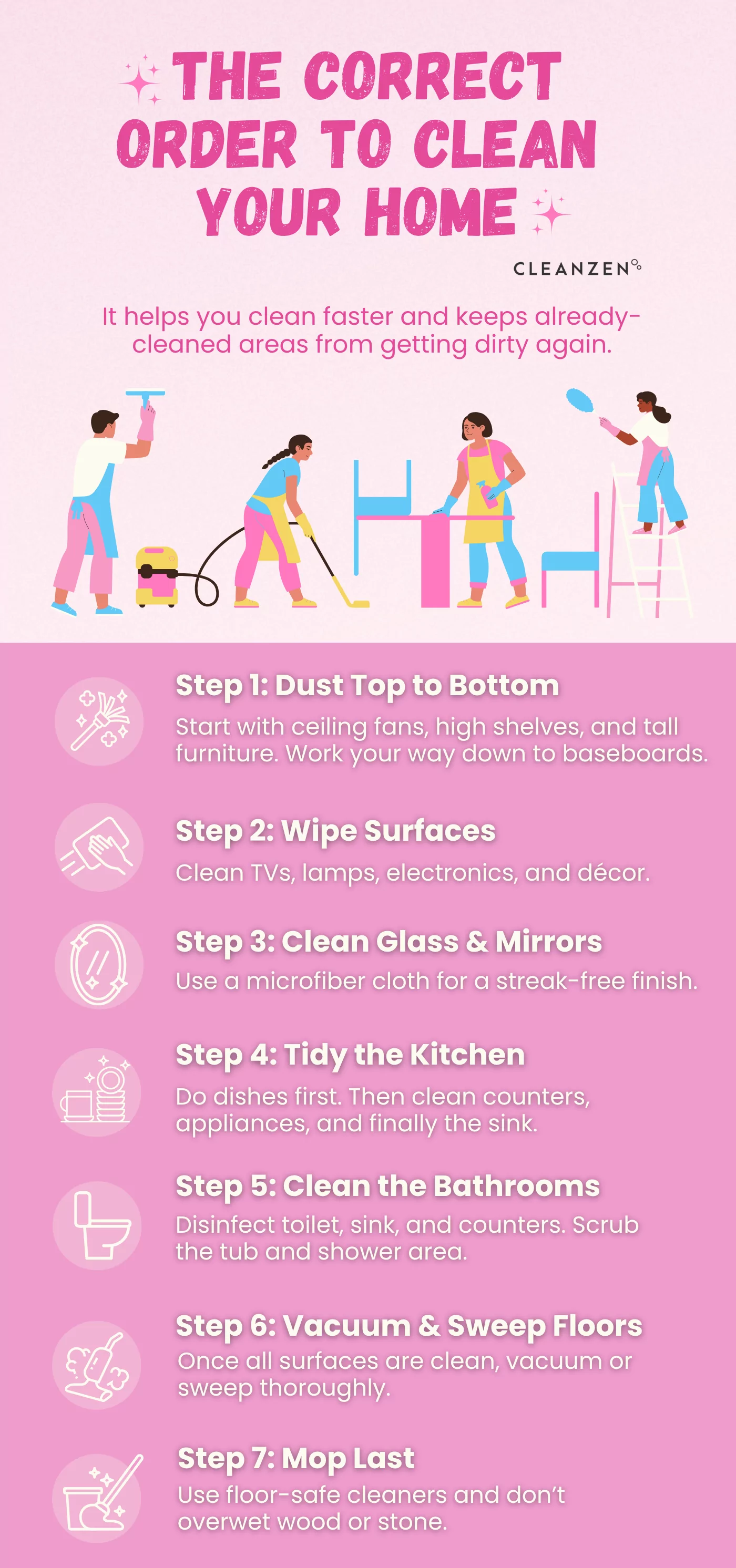
Vacuum after dusting to catch fallen dust particles. Dusting first loosens particles that settle on floors. This method ensures a cleaner and dust-free home environment.
How Do I Vacuum Carpets Without Damaging Them?
Use the correct vacuum setting for carpet height. Avoid using a beater bar on delicate carpets. Regularly clean vacuum brushes to prevent fiber damage and maintain carpet quality.
Conclusion
Vacuuming your house step by step keeps it clean and fresh. Start with the right tools and follow each part carefully. Move slowly to catch all dirt and dust. Don’t forget corners and under furniture. Regular vacuuming helps your home look neat and healthy.
Small efforts bring big results. Keep practicing these simple steps for a cleaner living space every day.
