

Have you ever wondered how a vacuum cleaner actually works? Understanding the basic vacuum cleaner design can change the way you clean your home.
When you know what’s inside and how each part plays its role, you’ll feel more confident choosing the right vacuum for your needs. You’ll discover the simple secrets behind vacuum cleaners that make them so effective. By the end, you’ll see cleaning in a whole new light—and maybe even enjoy it a little more.
Keep reading to unlock the mystery behind your vacuum’s power.

Credit: store.tineco.com
Core Components
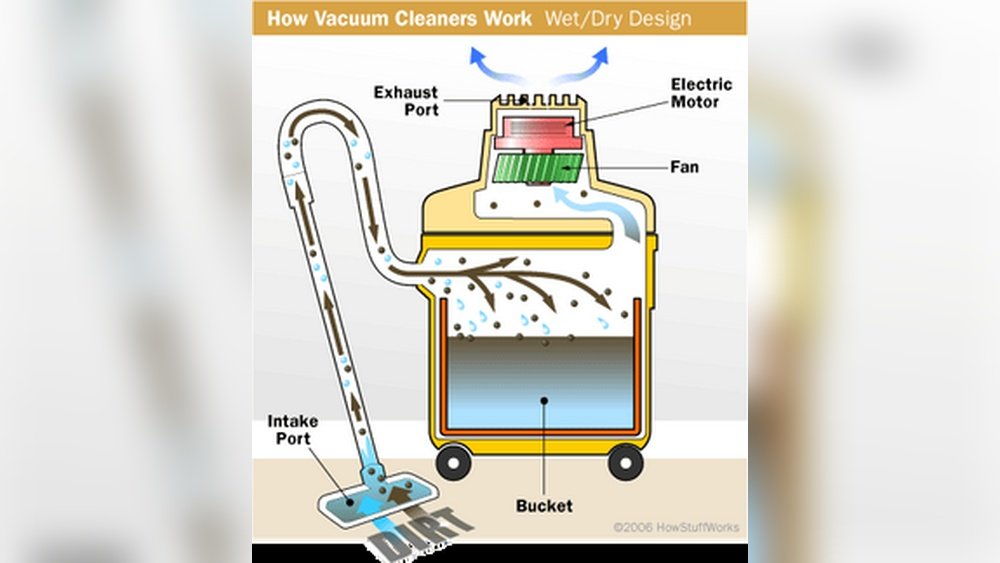
The motor and suction system create the vacuum’s power. The motor spins fast, making air move quickly. This air movement pulls dirt and dust into the machine.
The dust collection mechanism stores the dirt picked up. It can be a bag or a bin. Bags need changing, bins need emptying. Both keep the dirt inside.
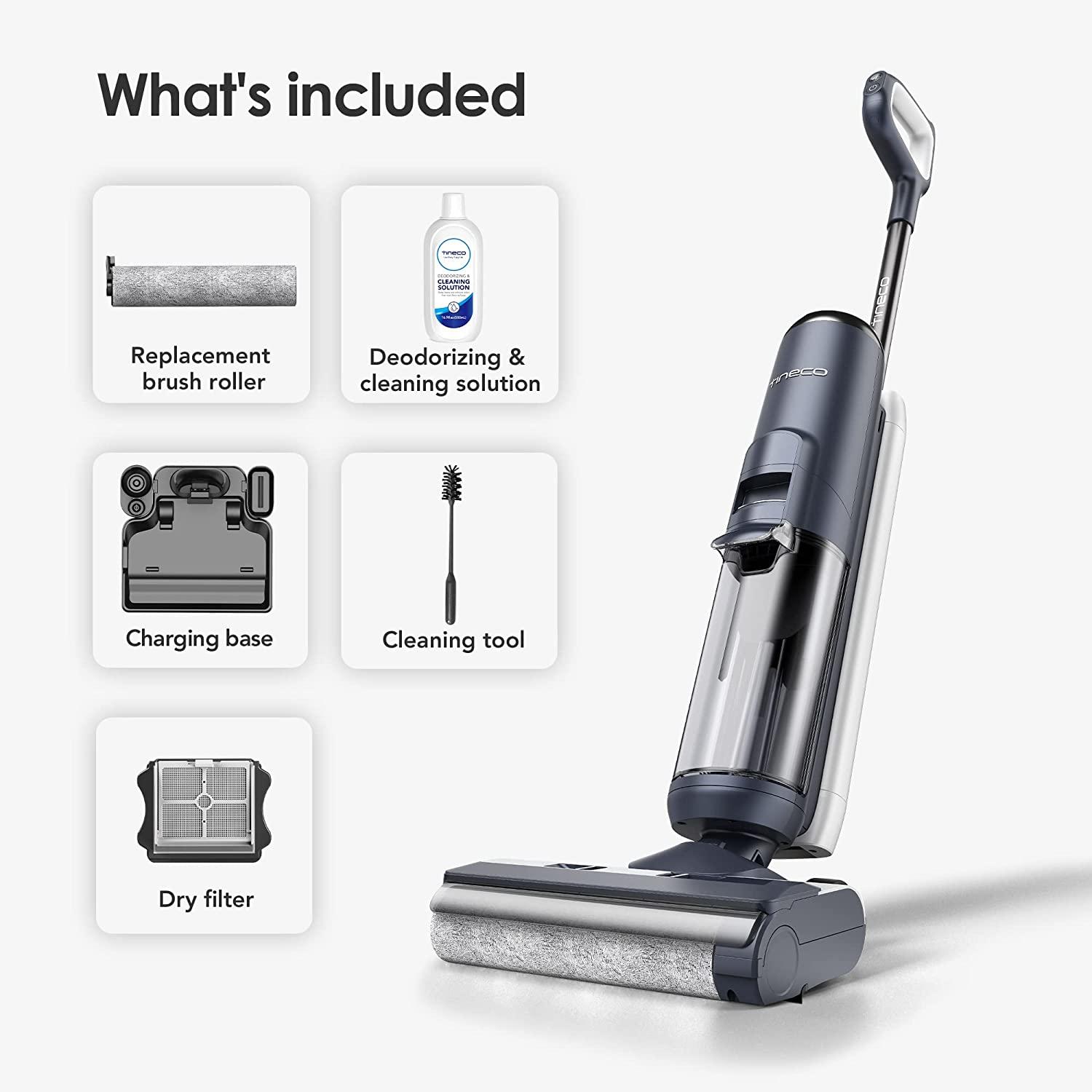
The filtration system stops dust from escaping back into the air. It uses filters like HEPA to catch tiny dust particles. Clean filters make the vacuum work better.
The power supply gives the vacuum energy. It can be a cord plugged into the wall or a rechargeable battery. Corded vacuums run longer, cordless are easier to move.
Types Of Vacuum Cleaners
Upright models are easy to push and pull. They have a wide cleaning path and work well on carpets. These vacuums often have a bag to collect dust.
Canister designs are lighter and easier to carry. They have a separate motor and dust container. These are good for hard floors and stairs.
Handheld units are small and easy to use. They help clean tight spaces like car seats and furniture. Battery-powered versions offer good portability.
Robotic vacuums work on their own. They move around the room and clean floors automatically. These are best for daily light cleaning and saving time.
Airflow And Suction Dynamics
Creating negative pressure is key to how vacuum cleaners work. A motor pulls air inside, making pressure lower than outside. This negative pressure causes dirt and dust to be sucked in.
Air pathways guide the air through the vacuum. Air moves from the floor, through filters, and out the exhaust. Clear paths help keep suction strong and dirt inside.
Maintaining efficiency means avoiding blockages and leaks. Filters must be clean. Hoses and tubes should be tight. Good design keeps suction steady and helps the vacuum work well for longer.
Credit: store.tineco.ie
Material Choices
Durability is key in vacuum cleaner materials. Strong plastics and metals resist wear and tear. This helps the vacuum last longer.
Choosing lightweight materials like ABS plastic keeps the vacuum easy to carry. Portability matters for daily use and cleaning hard-to-reach spots.
Noise reduction uses special foams or rubber parts. These materials absorb sound, making the vacuum quieter during work. Less noise means a better cleaning experience.
Ergonomics And User Interface
The handle design of a vacuum cleaner is made to fit comfortably in your hand. It should feel light and easy to hold for a long time. A good handle helps you move the vacuum easily without pain or tiredness.
Control placement is important for quick use. Buttons and switches are placed where your fingers naturally rest. This makes turning the vacuum on and off simple and fast, even while cleaning.
Ease of maintenance means cleaning the vacuum is simple. Parts like filters and dust bags should be easy to remove and replace. This helps keep the vacuum working well for a long time.

Credit: www.sharkninja.com
Frequently Asked Questions
What Are The Main Parts Of A Vacuum Cleaner?
A basic vacuum cleaner has a motor, fan, dust collection bag or bin, filters, and suction nozzle. These parts work together to generate suction and collect dirt effectively.
How Does A Vacuum Cleaner Create Suction?
The motor powers a fan that creates negative pressure inside the vacuum. This pressure difference pulls air and debris through the nozzle and into the dust container.
What Types Of Filters Are Used In Vacuum Cleaners?
Vacuum cleaners use various filters like HEPA, foam, or cloth filters. These trap dust, allergens, and fine particles, improving air quality and preventing clogging.
Why Is Vacuum Cleaner Design Important?
Good design ensures strong suction, easy maneuverability, and efficient dirt collection. It also affects noise levels, energy use, and user comfort during cleaning.
Conclusion
Understanding basic vacuum cleaner design helps you choose the right model. It explains how parts work together to clean your home. Knowing the key features saves time and money. Simple designs often mean easier use and maintenance. A good vacuum keeps your space tidy and healthy.
Now, you can pick a vacuum with confidence. Clean floors are just a step away.
