

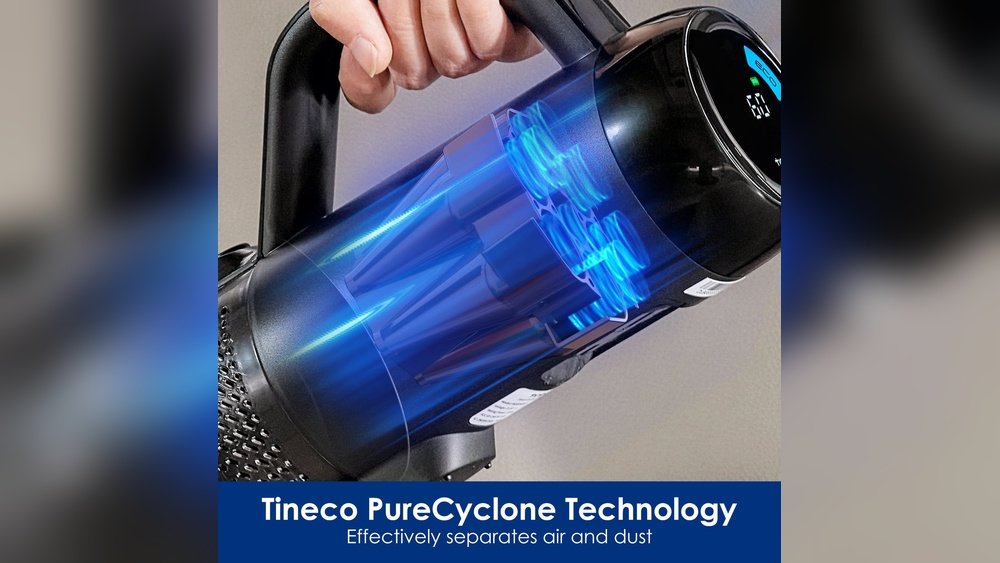
Have you ever wondered how your vacuum cleaner manages to suck up dirt and dust without blowing it back into the air? It might seem like magic, but there’s a clever process working inside your vacuum every time you clean.
Understanding how a vacuum cleaner separates air and dust can help you appreciate your device more—and even choose the right one for your home. Keep reading, and you’ll discover the simple science behind this everyday tool that keeps your space fresh and dust-free.
Credit: dirtfreespots.com
Vacuum Cleaner Basics
A vacuum cleaner has three main parts that work together to clean. The motor powers the machine. The fan inside spins fast to pull air and dirt. The dust container collects the dirt and dust.
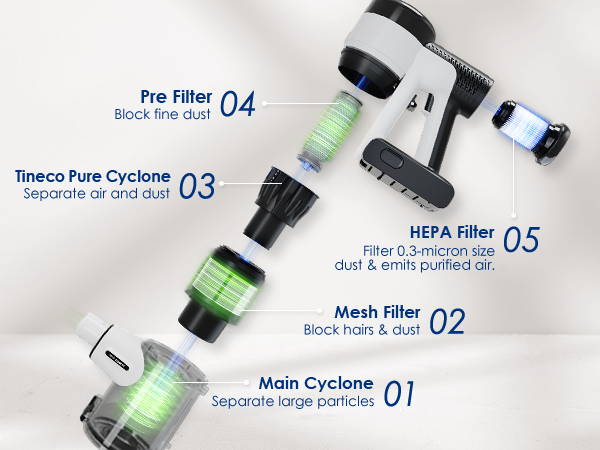
The airflow mechanism is very important. The fan creates a strong suction. This pulls air with dust into the vacuum. The air moves through a filter that traps dust particles. Clean air goes out while dust stays inside.
| Component | Function |
|---|---|
| Motor | Drives the fan to create suction |
| Fan | Pulls air and dirt into the vacuum |
| Dust Container | Holds the collected dust and dirt |
| Filter | Traps dust, allowing clean air to escape |
Credit: uk-store.tineco.com
Dust Separation Process
Suction power pulls dust and air into the vacuum cleaner. This force helps capture dirt from floors and surfaces quickly. The stronger the suction, the better the vacuum grabs tiny dust particles.
Air and dust enter through the vacuum’s opening. Inside, the dust gets trapped in a filter or dustbin. Clean air passes through and leaves the vacuum. This keeps dust from escaping back into the room.
The vacuum uses a motor to create suction. This motor spins fast to move air inside the machine. Dust and dirt cannot resist this powerful pull and get caught inside.
Filter Types And Functions
HEPA filters catch tiny dust particles and allergens. They trap 99.97% of particles as small as 0.3 microns. This makes the air cleaner and safer to breathe.
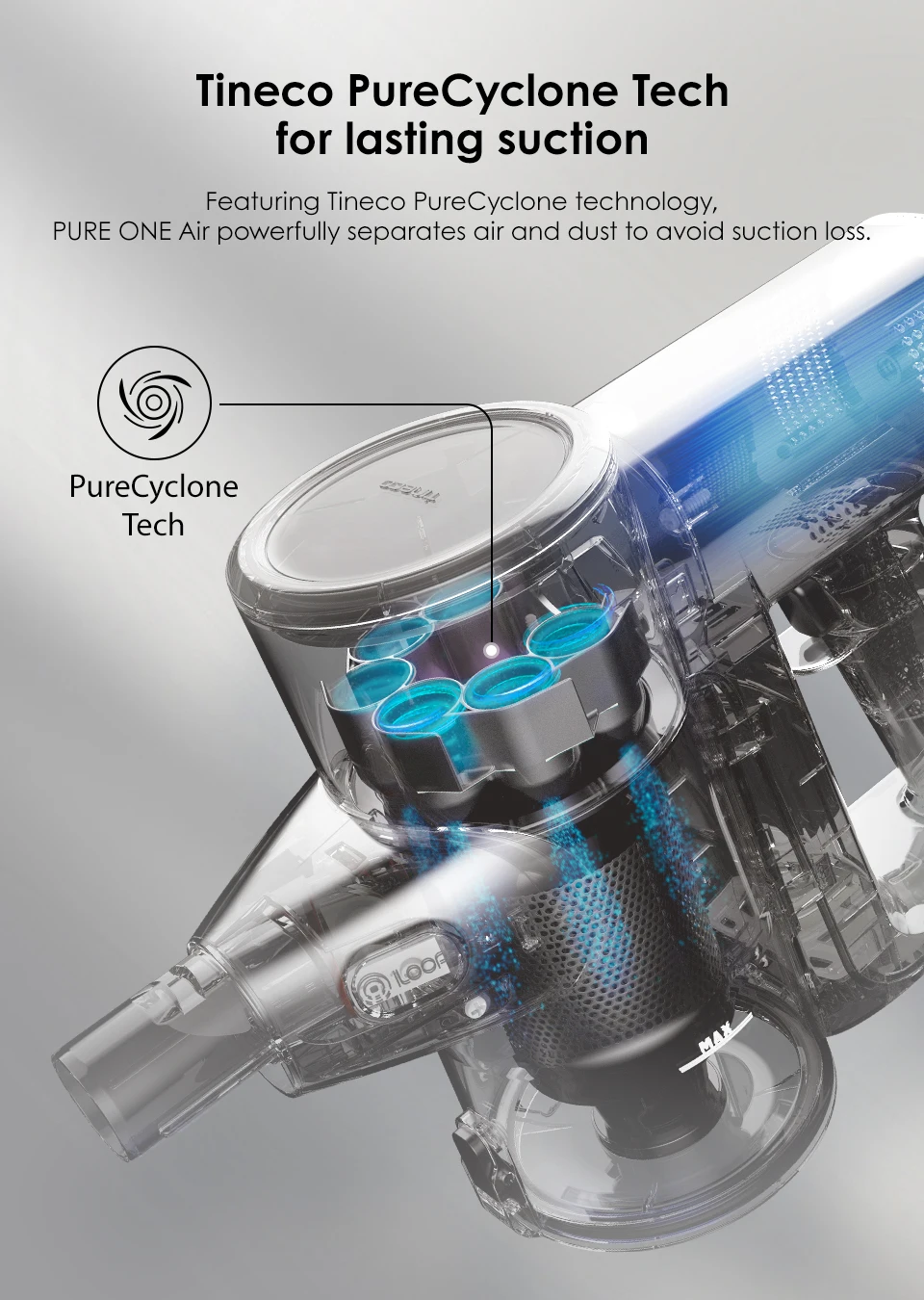
Cyclonic separation spins dust and dirt away from the air. The vacuum creates a strong swirl, which throws heavy dust into a bin. This stops the filter from clogging quickly and keeps suction strong.
| Type | Description | Pros | Cons |
|---|---|---|---|
| Bagged | Uses replaceable bags to collect dust. | Easy to empty, traps dust well. | Needs buying bags, can lose suction if bag is full. |
| Bagless | Uses a bin to collect dust. | No bags needed, you can see dust level. | Emptying dust can be messy, filters need cleaning. |
Airflow Dynamics
Air pressure inside a vacuum cleaner changes quickly. This change helps move air and dust particles through the machine. The motor creates a low pressure zone, pulling air in from outside. As air moves to this low pressure, dust and dirt get carried along.
Particles do not move in the same way as air. Dust is heavier and falls out when air slows down. The vacuum uses filters or bags to catch these particles. Clean air then flows out, leaving dirt behind.
Maintenance And Efficiency
Cleaning the filter keeps the vacuum working well. A dirty filter blocks air flow. This makes the vacuum less strong. Dust builds up and stops dust from entering the bag or bin.
Check the filter often. Wash or replace it if needed. A clean filter helps catch more dust and dirt. It also stops dust from going back into the air.
Vacuuming with a clean filter saves energy. The vacuum does not need to work hard. This keeps the motor safe and lasts longer. Clean filters mean better air quality in your home too.
Innovations In Dust Separation
Vacuum cleaners use smart sensors to detect dust levels in the air. These sensors help the machine adjust suction power for better cleaning. They can tell when a surface is dirty or clean, saving energy and time.
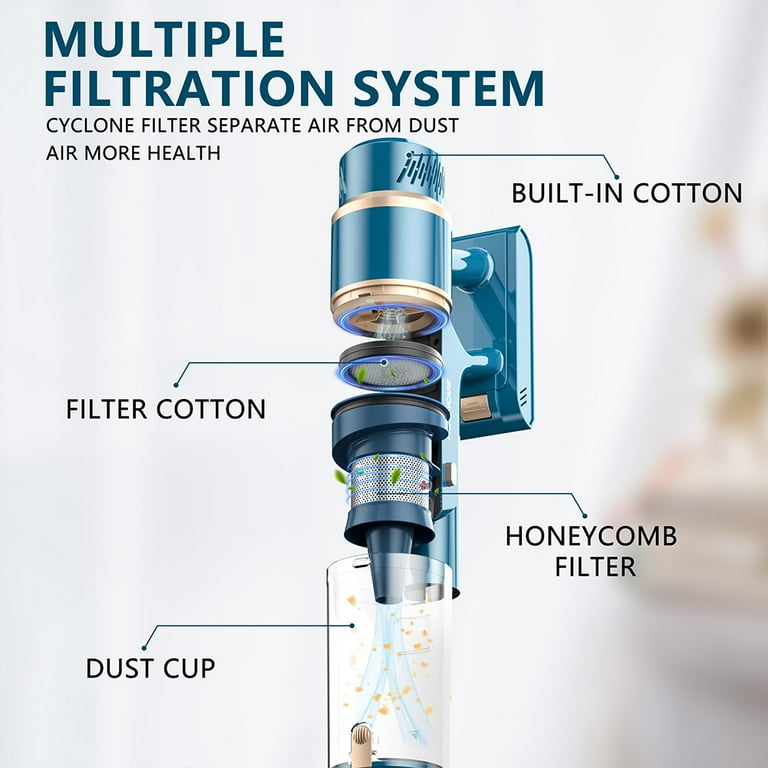
Advanced filtration materials trap tiny dust particles that regular filters miss. These materials often include multiple layers that catch different sizes of dust and allergens. This keeps the air cleaner and safer to breathe.
| Feature | How It Works | Benefit |
|---|---|---|
| Smart Sensors | Detect dust and adjust suction | Efficient cleaning and energy saving |
| Advanced Filtration | Multiple filter layers trap dust | Cleaner air and fewer allergens |
Credit: www.walmart.com
Frequently Asked Questions
How Does A Vacuum Cleaner Separate Dust From Air?
A vacuum cleaner uses suction to pull air and dust inside. Filters trap dust particles while clean air escapes. This separation ensures efficient cleaning and prevents dust from returning to the environment.
What Role Do Filters Play In Vacuum Cleaners?
Filters capture dust, dirt, and allergens from the airflow. They prevent these particles from reaching the motor or escaping back into the room. Proper filters improve air quality and maintain vacuum performance.
How Does Suction Power Affect Dust Separation?
Higher suction power pulls more air and dust efficiently. Strong suction improves the dust separation process by moving particles into the collection bag or bin. This results in better cleaning and cleaner air output.
Why Is Cyclonic Technology Used In Vacuum Cleaners?
Cyclonic technology spins air rapidly, forcing dust to separate by centrifugal force. This keeps dust away from filters, reducing clogging and maintaining consistent suction. It enhances dust separation and extends filter life.
Conclusion
A vacuum cleaner uses strong airflow to pull in dust and dirt. Inside, it separates air from dust using filters or cyclones. Clean air passes out while dust stays trapped. This process keeps your home cleaner and healthier. Understanding how it works helps you choose the right vacuum.
A good vacuum makes cleaning easier and faster. Simple technology with smart design. Dust stays inside, air stays fresh. That’s how your vacuum keeps your space neat.
