
Choosing the right vacuum can feel overwhelming. You see many specs on the box, but which ones really matter?
Understanding what vacuum specs indicate quality can save you time, money, and frustration. When you know what to look for, you can pick a vacuum that cleans better, lasts longer, and fits your needs perfectly. Keep reading, and you’ll discover the key features that separate a good vacuum from a great one—so you can make a smart choice with confidence.

Credit: en.wikipedia.org
Suction Power
Suction power shows how strong a vacuum cleans dirt and dust. It is usually measured in air watts or pascal (Pa). Higher numbers mean better cleaning ability. Strong suction helps the vacuum pick up fine dust and larger debris with ease.
Good suction strength lets the vacuum work well on different floors. It can clean carpets deeply and hard floors quickly. Weak suction may miss dirt stuck in carpet fibers or corners.
Some vacuums keep their suction power even when the dustbin fills up. This feature improves cleaning efficiency. Watch for models with good airflow design to keep suction steady.
Filtration System
HEPA filters trap tiny dust particles and allergens. They help keep the air clean. This is very important for people with allergies or asthma. A vacuum with a good HEPA filter stops dust from escaping back into the room.
Filter maintenance means cleaning or changing the filter often. A dirty filter blocks air and lowers suction power. Check your vacuum’s filter every few weeks. Follow the maker’s guide for how to clean or replace it. This keeps your vacuum working well and your home fresh.
Cord Length And Battery Life
Cord length matters for vacuums with cords. Longer cords allow more reach without unplugging. Short cords limit movement and can be annoying. Cordless vacuums offer freedom to move anywhere. But they rely on batteries that need power.
Battery runtime shows how long a cordless vacuum runs on one charge. Longer runtime means more cleaning without stopping. Charging time tells how fast the battery gets full again. Short charging times mean less waiting.
| Type | Cord Length | Battery Runtime | Charging Time | Pros | Cons |
|---|---|---|---|---|---|
| Corded | Usually 15-30 feet | N/A | N/A | Unlimited runtime, strong power | Less mobility, cord tangles |
| Cordless | Not applicable | 20-60 minutes | 1-4 hours | Easy to move, no cord hassle | Limited runtime, needs recharging |
Weight And Maneuverability
Lightweight vacuums make cleaning easier and less tiring. A vacuum under 10 pounds is good for quick jobs. It helps you carry stairs and move around faster. Swivel heads allow the vacuum to turn easily in tight spaces. This makes cleaning corners and furniture simpler. Good steering means less effort pushing and pulling the vacuum. Look for models with wheels that glide smoothly. Together, light weight and easy steering improve how fast and comfortable cleaning feels. These features help keep your home tidy without extra work.
Dust Capacity
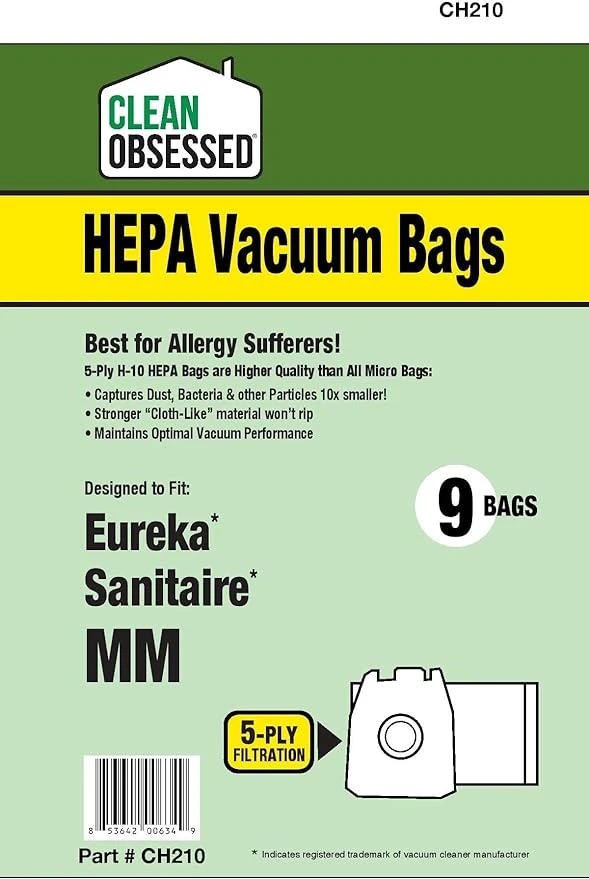
Bagged vacuums hold dust in a replaceable bag. They often have larger dust capacity, meaning less emptying. Bags also trap dust well, making them good for allergy sufferers.
Bagless models use a clear dustbin to collect dirt. You can see when it is full, which helps avoid overfilling. Emptying is easy by just pressing a button, but it may release dust into the air.
Ease of emptying matters for daily use. Bags are simple to remove and replace but cost more over time. Bagless bins are reusable but need frequent cleaning to avoid smells.
| Feature | Bagged Vacuum | Bagless Vacuum |
|---|---|---|
| Dust Capacity | Usually larger, less frequent emptying | Smaller, needs emptying often |
| Ease of Emptying | Replace bag, less dust exposure | Press button, may release dust |
| Maintenance Cost | Cost of bags | No bags, but need cleaning filters |
Credit: denvertruevalue.com
Noise Levels
Decibel ratings show how loud a vacuum cleaner is. Lower decibels mean quieter operation. Most vacuums range from 60 to 85 decibels. A vacuum with a rating under 70 decibels is considered quiet and good for homes with children or pets.
Quiet operation technologies help reduce noise. Some vacuums use special motors or soundproofing materials. These features make cleaning easier without disturbing others. Quiet vacuums are perfect for apartments or shared spaces.
| Noise Level | Decibel Range | Use Case |
|---|---|---|
| Very Quiet | 60-65 dB | Ideal for babies and pets |
| Quiet | 66-70 dB | Good for most homes |
| Moderate | 71-80 dB | Standard vacuum noise |
| Loud | 81+ dB | Less suitable for noise-sensitive areas |
Attachments And Accessories
Vacuum attachments help clean different surfaces well. Soft brushes work great on delicate items like curtains. A crevice tool fits narrow spaces and corners. For carpets, a motorized brush removes dirt deep inside.
Easy storage of these tools keeps everything neat. Some vacuums have built-in holders or bags to hold accessories. This saves space and stops tools from getting lost.
Convenience matters too. Lightweight, easy-to-change attachments make cleaning faster. A long hose and flexible wand reach high or low spots.
Build Quality And Durability
Strong materials like stainless steel or high-grade plastic show good build quality. These materials resist wear and last longer. Cheaper plastics may crack or break easily. Metal parts make vacuums feel sturdy and reliable.
Good warranty signals trust from the maker. A longer warranty means the company expects the vacuum to last. Some brands also offer free repairs or parts during the warranty period. This support helps if anything breaks.
Check if the company has easy customer service. Quick help means fewer headaches. Manuals and online guides also add value. These small details can save time and money later.

Credit: kirby.com
Frequently Asked Questions
What Vacuum Specs Show Strong Suction Power?
Suction power is indicated by airflow (CFM) and water lift (inches). Higher values mean better dirt removal and deeper cleaning.
How Important Is Motor Wattage In Vacuum Quality?
Motor wattage affects suction strength but isn’t the sole quality indicator. Efficient design and airflow are equally crucial.
What Does Filtration Rating Tell About A Vacuum?
Filtration rating shows the vacuum’s ability to trap dust and allergens. HEPA filters are best for allergy sufferers.
Why Check Noise Level In Vacuum Specifications?
Lower noise levels make vacuuming more comfortable. Quiet vacuums are ideal for homes with pets or children.
Conclusion
Choosing a vacuum with the right specs matters a lot. Power, suction, and filtration show how well it cleans. Battery life and weight affect ease of use. Noise level can make a big difference too. Understanding these basics helps pick a good vacuum.
Clean floors become simple with the right machine. Keep these points in mind before buying. A smart choice saves time and effort daily. Quality vacuums make your home healthier and cleaner.
