
Have you ever wondered why some vacuum cleaners seem to miss spots while others leave your floors spotless? Understanding how vacuum cleaner coverage works can change the way you clean your home.
When you know what affects coverage, you can choose the right vacuum and get the best results every time. You’ll discover simple tips to make sure your vacuum reaches every corner, saving you time and effort. Keep reading, and your cleaning routine will never be the same.
Vacuum Coverage Basics
Vacuum coverage means how well a vacuum cleans an area. Different coverage patterns help clean floors in many ways. Some vacuums move in straight lines, while others use circles or zigzags. Each pattern covers spaces differently to catch more dust and dirt.
Factors like room shape, furniture, and vacuum size affect coverage. A big vacuum may miss corners, while a small one fits tight spaces. Battery life and suction power also change how much area gets cleaned.
Common challenges include hard-to-reach spots and uneven floors. Rugs, cables, and toys can block vacuums, lowering coverage. Dust can hide in corners or under furniture, making cleaning tricky. Moving objects and stairs also pose problems for coverage.
Credit: www.bestbuy.com
Sensors And Navigation
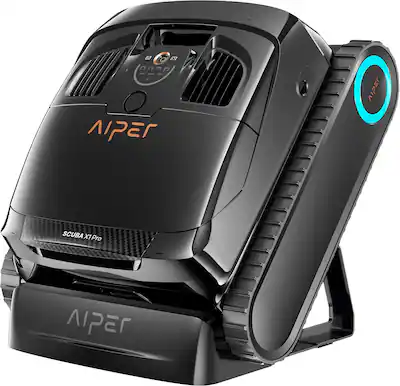
Vacuum cleaners use sensors to create a map of your home. These sensors help the vacuum know where it has cleaned and where it needs to go next. Different types of navigation technologies guide the vacuum. Some use cameras, while others use lasers to see the room.
Obstacle detection is key. Sensors spot furniture, walls, and small objects in the vacuum’s path. This helps the vacuum avoid bumping into things or getting stuck. It can change direction smoothly.
These sensors work together to make the vacuum smart. They let it clean efficiently without missing spots or repeating areas too much. This means a cleaner home with less work for you.
Optimizing Cleaning Routes
Zoning and room mapping help vacuum cleaners divide your home into areas. This lets the vacuum focus on one spot at a time. It cleans more thoroughly and avoids missing places.
Path planning strategies guide the vacuum to move in smart patterns. It may go back and forth or in circles to cover all spots. This saves time and energy.
Multi-pass cleaning means the vacuum cleans the same area more than once. This helps pick up hidden dirt and dust. It makes your floors cleaner and fresher.
Maximizing Efficiency
Set a regular schedule for vacuuming to keep floors clean. Choose times when rooms are empty. This helps the vacuum move freely and cover more area. Avoid vacuuming during busy hours to prevent interruptions.
Clean the vacuum filter and dustbin often. Check brushes and wheels for hair or dirt. This maintains strong suction and smooth movement. Well-kept machines work faster and cover larger spaces.
Adjust vacuum settings based on floor type. Use a low setting for hard floors and a higher one for carpets. This improves cleaning and stops damage. Switching settings ensures the vacuum works best on every surface.
Advanced Features Impacting Coverage
Smart home integration lets vacuum cleaners connect with other devices. This means they can start cleaning by voice or app control. Some models work with smart speakers like Alexa or Google Home. This makes cleaning easier and hands-free.
Use of AI and machine learning helps vacuums learn your home layout. They remember obstacles and find the best cleaning path. Over time, they get better at covering all areas without missing spots.
Customizable cleaning modes allow you to choose how the vacuum cleans. You can pick quiet mode for night cleaning or strong mode for carpets. Some vacuums even let you set schedules for different rooms.
Credit: www.worldinsurance.com
Credit: www.ebay.com
Frequently Asked Questions
What Is Vacuum Cleaner Coverage?
Vacuum cleaner coverage refers to the area a vacuum can clean efficiently. It depends on the vacuum’s design and suction power. Coverage determines how much floor space the vacuum can handle in one pass.
How Does Coverage Affect Cleaning Performance?
Better coverage means fewer passes and faster cleaning. It ensures the vacuum picks up more dirt in each sweep. This improves overall cleaning efficiency and saves time.
Do All Vacuum Cleaners Have The Same Coverage?
No, coverage varies by vacuum type and model. Robot vacuums cover areas systematically, while upright vacuums rely on manual control. Larger cleaning heads often provide wider coverage.
Can Vacuum Coverage Be Increased?
Yes, coverage can improve with attachments and proper technique. Using wide nozzles and moving slowly helps maximize coverage. Regular maintenance keeps suction strong, enhancing cleaning reach.
Conclusion
Vacuum cleaner coverage depends on the device’s design and features. It affects how well your floors get cleaned. Knowing how coverage works helps you choose the right vacuum. Some models cover small areas fast, while others handle large spaces slowly.
Sensors and mapping technology improve cleaning paths. Proper coverage means fewer missed spots and less effort. Remember to check your vacuum’s coverage before buying. This ensures a cleaner home with less hassle. Understanding coverage makes vacuuming easier and more effective.
