
Have you ever noticed your vacuum cleaner blowing air out instead of sucking it in properly? It’s frustrating when your vacuum doesn’t work as expected, leaving dust and dirt behind.
But why does your vacuum cleaner leak air? Understanding this common issue can save you time, money, and effort. You’ll discover the main reasons behind air leaks in your vacuum and simple steps you can take to fix them. Keep reading to make sure your vacuum works at its best every time you use it.
Common Causes Of Air Leaks
Damaged or worn seals let air escape, reducing suction power. Seals keep the vacuum airtight.
Clogged filters block airflow and cause leaks. Clean or replace filters often.
Cracked or broken hoses create gaps for air to leak out. Check hoses for holes or tears.
Loose connections between parts let air slip away. Tighten all connections securely.
Faulty dust bags or canisters may not fit well. This causes air to leak during use.

Credit: www.amazon.com
Signs Of Air Leaks
Reduced suction power is a clear sign of air leaks. The vacuum may not pick up dirt well. Unusual noises like hissing or whistling can mean air is escaping. This sound is often near the hose or seals. Visible dust escaping around the vacuum shows leaks. Dust may blow out from cracks or loose parts. Overheating motor happens because the vacuum works harder. Air leaks make the motor strain and get hot quickly. Check these signs to find air leaks early.
Quick Fixes For Air Leaks
Replacing seals and gaskets stops air from leaking out. Old seals can crack or wear down. New seals fit tightly and block air flow. This is an easy fix that helps vacuum work better.
Cleaning or changing filters keeps air flowing well. Dirty filters block air and cause leaks. Clean filters with water or replace them if needed. This helps vacuum suck air properly.
Repairing or replacing hoses fixes holes or cracks. Air leaks often happen in broken hoses. Check hoses carefully and patch small holes. For big damage, use a new hose to keep air sealed.
Tightening loose parts stops air from escaping. Loose screws or clips make small gaps. Tighten these parts to keep everything snug. This small step can fix many air leaks.
Proper dust bag or canister handling is very important. Make sure bags or canisters fit well. Don’t overfill them, or air will leak out. Replace bags or empty canisters regularly for best results.

Credit: www.lowes.com
Preventive Maintenance Tips
Keep a regular cleaning schedule to stop dust build-up. Clean filters and dust bags often. This helps air flow smoothly and stops leaks.
Do routine inspections to check for cracks or loose parts. Look at seals and hoses carefully. Fix small problems early to avoid big leaks.
Use only manufacturer-recommended parts. Wrong parts can cause poor fitting and air leaks. Genuine parts fit better and last longer.
Proper storage practices keep your vacuum safe. Store it in a dry place and avoid bending hoses. This prevents damage and air leaks.
When To Seek Professional Help
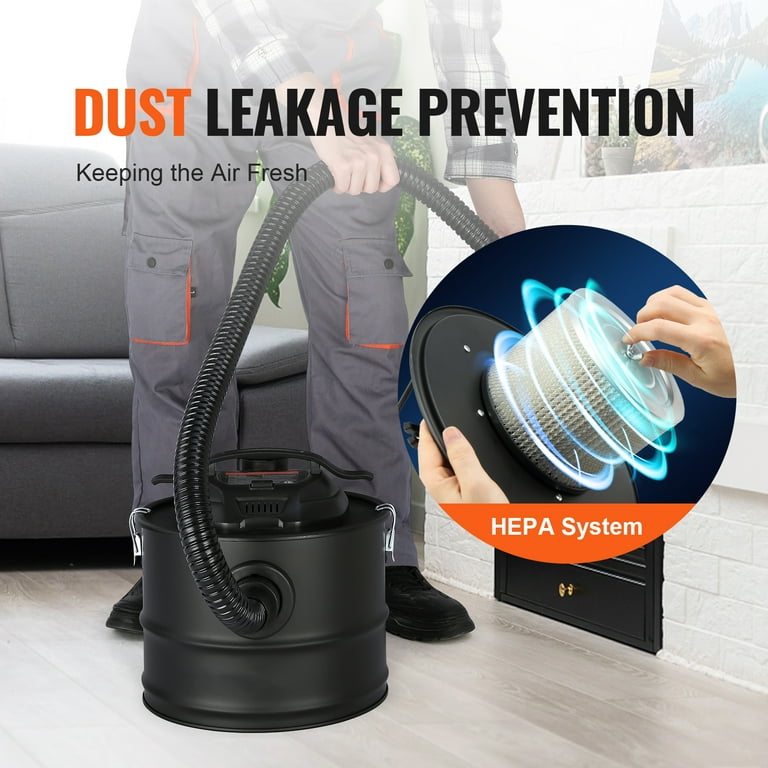
Persistent air leaks that do not stop after cleaning or replacing filters need expert checks. Small fixes might not solve deep problems inside the vacuum. Complex internal damages like broken seals or cracks in the hose require special tools and skills to repair. Trying to fix these without help may cause more harm.
Checking the vacuum’s warranty before any repair is smart. Some repairs might be free under warranty. Service centers have parts and knowledge to fix your vacuum properly. Professional help ensures your vacuum works well and lasts longer.
Credit: www.walmart.com
Frequently Asked Questions
Why Does My Vacuum Cleaner Leak Air?
Air leaks often occur due to damaged or loose seals. Cracks in hoses or broken filters can also cause leaks. Regularly check and replace worn parts to maintain suction and prevent air leakage.
How Do Damaged Vacuum Seals Cause Air Leaks?
Damaged seals create gaps where air escapes, reducing suction power. They compromise the vacuum’s efficiency and cleaning performance. Inspect seals regularly and replace them if you notice any wear or cracks.
Can Clogged Filters Cause Vacuum Air Leaks?
Yes, clogged filters restrict airflow, forcing air to leak from weak points. Clean or replace filters frequently to ensure proper suction and prevent leaks in your vacuum cleaner.
Does A Broken Vacuum Hose Cause Air Leakage?
A cracked or punctured hose lets air escape, reducing suction strength. Inspect your vacuum hose regularly and replace it if you find holes or tears to maintain optimal performance.
Conclusion
Air leaks in vacuum cleaners reduce cleaning power and efficiency. Check seals, hoses, and filters often. Damaged parts let air escape and lower suction. Fix small problems early to avoid bigger repairs later. Clean filters regularly to keep air flowing well.
Proper care helps your vacuum work like new. A well-maintained vacuum saves time and energy. Keep your vacuum tight and clean for best results. Simple steps prevent air leaks and improve performance.
