
Are you tired of sneezing, coughing, or feeling itchy every time you clean your home? Allergens like dust, pet dander, and pollen can hide in your carpets and furniture, making it hard for you to breathe easy.
But what if your vacuum cleaner could do more than just pick up dirt? Imagine it actually trapping those tiny, irritating particles before they have a chance to bother you. You’ll discover exactly how a vacuum cleaner handles allergens and why choosing the right one can make a huge difference for your health and comfort.
Keep reading to learn how you can create a cleaner, allergy-free space for you and your loved ones.
Vacuum Cleaner And Allergens
Homes often have common allergens like dust mites, pet dander, pollen, and mold spores. These tiny particles float in the air and settle on floors and furniture. They can cause sneezing, coughing, and itchy eyes for many people. Allergens make indoor air quality worse and can trigger asthma or allergies.
Vacuum cleaners help by removing dust and allergens from carpets and floors. Models with HEPA filters trap very small particles, stopping them from returning to the air. This keeps the air cleaner and healthier to breathe.

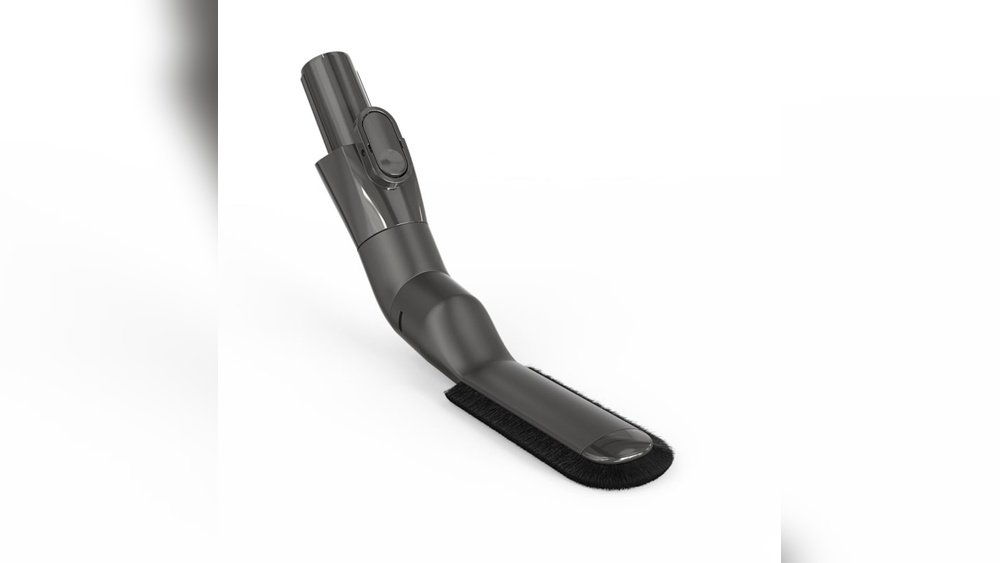
Credit: www.amazon.com
Filtration Technologies
HEPA filters capture tiny particles like dust, pollen, and pet dander. They trap 99.97% of particles as small as 0.3 microns. This makes the air cleaner and easier to breathe.
Activated carbon filters absorb odors and harmful gases. They help remove smells from cooking, smoke, and pets. This keeps your home smelling fresh.
Multi-stage filtration systems combine several filters. Each stage catches different types of dirt and allergens. This method cleans the air better than one filter alone.
| Filter Type | Main Function | Benefit |
|---|---|---|
| HEPA Filter | Traps tiny particles | Reduces allergens and improves air quality |
| Activated Carbon | Absorbs odors and gases | Keeps air fresh and clean |
| Multi-stage System | Uses multiple filters | Offers thorough cleaning of dust and allergens |
Vacuum Design Features
Sealed systems keep dust and allergens inside the vacuum. They stop tiny particles from escaping back into the air. This helps keep your home cleaner and safer for allergy sufferers.
Brushes work to loosen dirt from carpets and floors. Strong suction power then pulls the dirt into the vacuum. Both parts must work well for effective cleaning.
| Bagged Models | Bagless Models |
|---|---|
| Collect dirt in disposable bags | Use a container to hold dirt |
| Bags trap dust and allergens well | Filters clean air before releasing it |
| Need bag replacement regularly | No need to buy bags |
| Less mess when emptying | Emptying can release dust |

Credit: www.amazon.com
Choosing The Right Vacuum
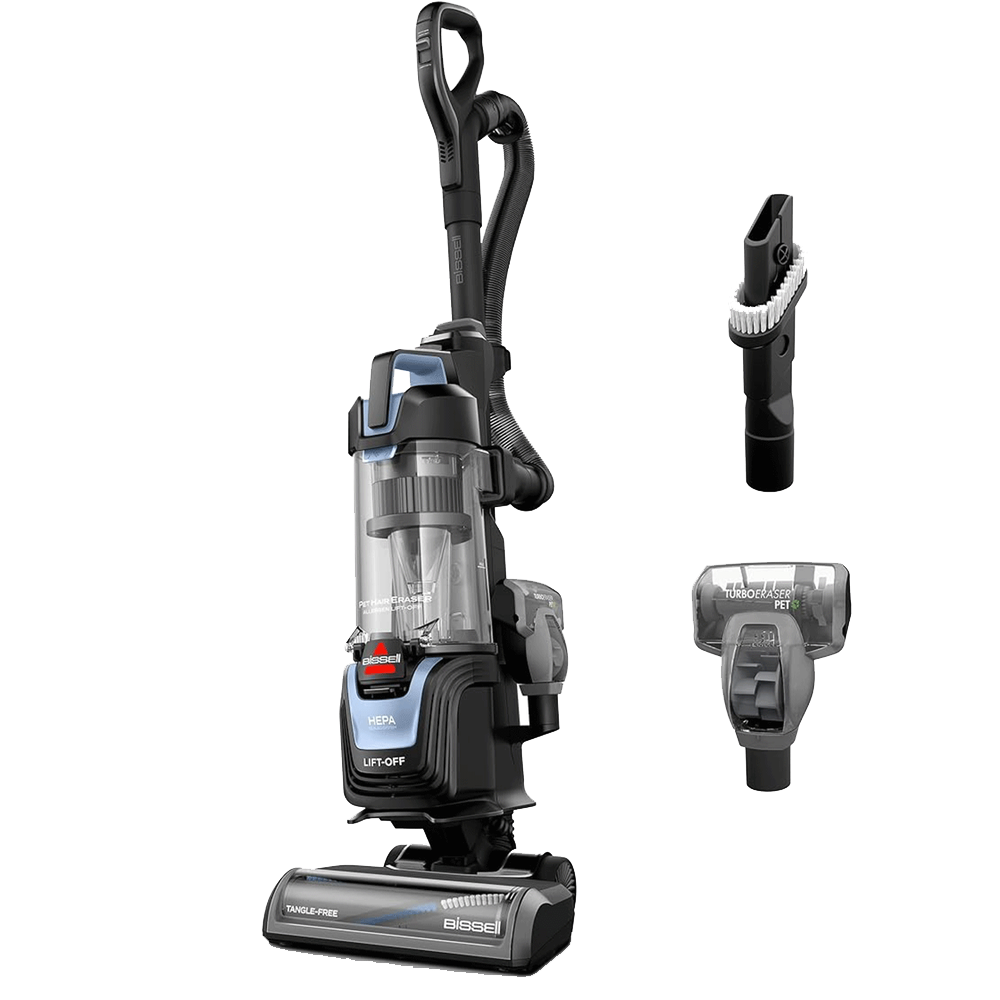
Choosing the right vacuum helps reduce allergens in your home. Allergy sufferers should pick models with HEPA filters. These filters trap tiny particles like dust mites and pollen. Vacuums with sealed systems stop dust from escaping back into the air.
Top vacuum types for allergen removal include upright, canister, and robot vacuums. Upright vacuums often have strong suction for carpets. Canister vacuums work well on hard floors and tight spaces. Robot vacuums clean daily and reach under furniture.
Keep your vacuum working well by cleaning filters regularly. Replace bags or empty dustbins often to avoid clogging. Check brushes and rollers for hair or debris that block suction. Proper maintenance means better allergen removal and longer vacuum life.
Additional Allergy Control Tips
Regular cleaning stops dust and allergens from building up. Vacuum floors and furniture at least twice a week. Wash bedding and curtains often in hot water. Keep clutter low to avoid places where dust can hide.
Air purifiers help catch tiny particles that vacuums miss. Place purifiers in bedrooms and living areas for best results. Choose ones with HEPA filters to trap allergens like pollen and pet dander. Run purifiers daily for cleaner air.
Cut down allergen sources by keeping windows closed on windy days. Remove shoes at the door to stop pollen entering. Use washable rugs and clean them regularly. Control pet dander by bathing pets and keeping them off furniture.
Credit: www.bissell.com
Frequently Asked Questions
How Do Vacuum Cleaners Remove Allergens Effectively?
Vacuum cleaners trap allergens like dust, pollen, and pet dander. They use strong suction and filters to capture these particles. HEPA filters are especially effective, trapping 99. 97% of allergens. This helps improve indoor air quality and reduces allergy symptoms.
What Type Of Vacuum Filter Is Best For Allergens?
HEPA filters are the best for capturing allergens. They trap tiny particles that regular filters miss. Using a vacuum with a HEPA filter ensures allergens stay inside the vacuum, preventing them from being released back into the air.
Can Vacuuming Reduce Allergy Symptoms At Home?
Yes, regular vacuuming reduces allergens in carpets and upholstery. It removes dust mites and pet dander that trigger allergies. Consistent cleaning improves air quality and helps minimize allergy symptoms for sensitive individuals.
How Often Should I Vacuum To Control Allergens?
Vacuum at least twice a week for effective allergen control. High-traffic and pet areas may need more frequent cleaning. Regular vacuuming prevents allergen buildup and maintains a healthier living environment.
Conclusion
Vacuum cleaners trap dust, pollen, and pet dander effectively. They help keep your home air cleaner and healthier. Using a vacuum with a good filter reduces allergens significantly. Regular cleaning lowers allergy symptoms and improves comfort. Choose a vacuum that suits your needs and space.
Clean floors and furniture often for best results. A cleaner home means fewer allergy problems. Simple steps make a big difference in your health. Keep your living space fresh and allergen-free every day.
