

Have you ever wondered what makes your vacuum cleaner pull up dirt and dust so effortlessly? Understanding what creates suction in a vacuum cleaner can help you get the most out of your cleaning routine.
When you know how suction works, you can choose the right vacuum and keep it running at peak power. Keep reading, and you’ll discover the simple science behind that powerful pull—and how it makes your home cleaner with every sweep.

Credit: www.bookcleango.com
How Vacuum Cleaners Work
A vacuum cleaner creates suction through its motor and airflow system. The motor powers a fan inside the vacuum. This fan spins fast and pulls air in.
As air is pulled in, it lowers the air pressure inside the vacuum. The higher air pressure outside pushes dirt and dust into the vacuum’s opening. This is how suction works.
The airflow mechanism moves air through filters and bags to trap dirt. Clean air is pushed out, while dirt stays inside. This keeps the vacuum working well.
Credit: home.howstuffworks.com
The Science Behind Suction
Suction in a vacuum cleaner happens because of pressure differences. Inside the vacuum, air pressure is lower than outside. This difference pulls air and dirt inside the vacuum.
Airflow moves from high pressure to low pressure. The vacuum motor creates this flow by spinning a fan. The fan lowers the air pressure inside the vacuum.
Good seals and clean filters help keep the pressure difference strong. If seals are loose or filters are dirty, air leaks happen. These leaks reduce suction power.
Types Of Vacuum Motors
Universal motors are common in many vacuum cleaners. They work with both AC and DC power. These motors spin very fast, creating strong suction. They are lightweight and cheap but can be noisy and wear out faster.
Brushless motors are newer and use electronic control instead of brushes. They last longer and run quietly. These motors are more efficient and help save energy. They are often found in high-end vacuum cleaners.
| Motor Type | Power Source | Noise Level | Durability | Cost |
|---|---|---|---|---|
| Universal Motor | AC/DC | Loud | Moderate | Low |
| Brushless Motor | DC | Quiet | High | High |
How Airflow Creates Suction
The fan inside a vacuum cleaner spins fast. This creates a flow of air moving through the machine. As the fan moves air, it lowers the air pressure inside the vacuum.
Lower air pressure means the vacuum pulls air from outside. This pulling force is called suction. The vacuum uses suction to lift dirt and dust from floors.
The fan design helps create a strong and steady airflow. A good fan keeps the air moving without stopping or slowing down. This steady airflow keeps suction strong while cleaning.
| Fan Design and Function | Creating Low Pressure Zones | Maintaining Consistent Airflow |
|---|---|---|
| Fast spinning blades move air quickly. | Lower pressure pulls air and dirt inside. | Continuous airflow keeps suction steady. |
| Shape of blades helps push air efficiently. | Air flows from high to low pressure areas. | Good sealing stops air leaks. |
Factors Affecting Suction Power
Clogged filters and hoses block air flow. This lowers the vacuum’s suction power. Dirt and dust stuck inside stop air from moving freely. Cleaning or replacing filters often keeps suction strong.
Seal integrity is also key. If seals are broken or loose, air leaks out. This weakens suction. Checking and fixing seals helps keep the vacuum working well.
| Factor | Effect on Suction | How to Maintain |
|---|---|---|
| Battery and Power Supply | Low power reduces suction force | Charge battery fully or replace if old |
| Seal Integrity | Air leaks cause weaker suction | Inspect seals and repair or replace |
| Clogged Filters and Hoses | Blocks airflow, lowering suction | Clean or replace filters and clear hoses |
Design Innovations Enhancing Suction
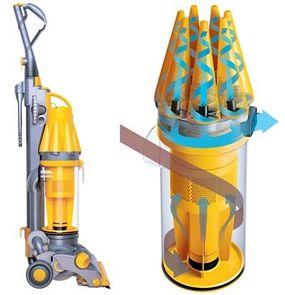
Cyclonic technology spins air fast inside the vacuum. This spinning pulls dust and dirt from the air. Dirt moves to the bin, not the filter. This keeps suction strong for longer times.
Multi-stage filtration traps tiny dust particles in steps. First, big dirt gets caught. Next, smaller dust sticks to filters. This stops dust from escaping back to the air. Clean air leaves the vacuum.
| Feature | How It Helps Suction |
|---|---|
| Smart Sensors | Detect floor type and adjust power |
| Controls | Change suction based on dirt level |
| Efficiency | Save energy while keeping strong pull |
Maintenance Tips To Preserve Suction
Cleaning filters regularly keeps the vacuum’s suction strong. Dirty filters block airflow and reduce power. Remove filters and wash or replace them as needed. This helps the vacuum work better and last longer.
Checking for blockages is important. Dirt or objects can clog the hose or brush. Clear any clogs to keep air moving freely. This ensures the vacuum cleans well every time.
Proper storage practices protect the vacuum. Store it in a dry, cool place. Avoid bending the hose or cords sharply. This prevents damage and keeps suction steady for years.
Common Suction Issues And Fixes
Suction loss in a vacuum cleaner can happen due to many reasons. Dirt or debris may block the hose or filters. Check for clogs and clean them out to restore suction power. A worn-out or broken belt can stop the brush roll from spinning, which lowers suction. Replace the belt if it looks loose or broken.
Motor problems can also cause suction issues. Listen for strange noises or a burning smell. These signs mean the motor might be failing. Sometimes, the motor brushes wear out and need replacement. A professional can help fix motor issues safely.
Replacing parts like filters, belts, and bags regularly keeps the vacuum working well. Always use parts made for your vacuum model. This ensures the vacuum keeps strong suction and lasts longer. Regular checks and simple fixes prevent big problems later.

Credit: store.tineco.com
Frequently Asked Questions
What Mechanism Creates Suction In Vacuum Cleaners?
Suction is created by a motor-driven fan inside the vacuum. It lowers air pressure, pulling dirt and debris into the vacuum.
How Does Air Pressure Affect Vacuum Cleaner Suction?
The vacuum motor reduces air pressure inside the machine. This difference causes outside air to rush in, creating suction.
Why Is A Vacuum Motor Important For Suction Power?
The motor powers the fan, which moves air quickly. Faster airflow means stronger suction to pick up dirt effectively.
Can Suction Strength Vary In Different Vacuum Models?
Yes, suction strength depends on motor power and design. Stronger motors and efficient fans generate better suction.
Conclusion
Suction in a vacuum cleaner comes from air pressure differences. The motor creates strong airflow inside the machine. This airflow pulls dirt and dust from surfaces. A sealed system helps keep the suction steady. Filters stop dust from escaping back into the air.
Understanding these parts helps you choose the right vacuum. Good suction means cleaner floors and less effort. Remember, simple science powers your vacuum’s cleaning ability.
